Peptides Explained: The Anti-Aging Ingredient Quietly Replacing Retinol
For years, retinol has been crowned the gold standard of anti-aging skincare. But lately, a quieter, gentler ingredient has been stealing the spotlight—peptides. Once reserved for clinical skincare and luxury formulas, peptides are now everywhere, and for good reason. They promise smoother skin, fewer fine lines, and improved firmness—without the irritation many experience with retinoids.
So why are peptides trending, and are they really replacing retinol? Let’s break it down.
What Are Peptides in Skincare—and Why Are They Trending Right Now?
Peptides are short chains of amino acids that act as the building blocks of proteins like collagen, elastin, and keratin—all essential for youthful, resilient skin. In skincare, peptides work as messengers, signaling the skin to repair itself, boost collagen production, and strengthen the skin barrier.
Peptides are trending because consumers are shifting toward:
Barrier repair skincare
Anti-aging without irritation
Preventative aging vs. corrective treatments
Searches for “peptides vs retinol” and “gentle anti-aging skincare” have surged as more people deal with compromised skin barriers, over-exfoliation, and sensitivity.
Are Peptides Better Than Retinol for Anti-Aging?
This is one of the most searched questions—and the answer depends on your skin goals.
Retinol accelerates cell turnover and increases collagen, but it often comes with dryness, peeling, redness, and sun sensitivity. Peptides, on the other hand, support collagen production without forcing rapid skin renewal.
Peptides may be a better option if you:
Have sensitive or reactive skin
Are pregnant or breastfeeding
Are new to anti-aging skincare
Want long-term skin health with minimal downtime
While retinol is corrective, peptides are restorative—making them ideal for those prioritizing skin longevity over aggressive treatments.
Can Peptides Actually Reduce Wrinkles and Fine Lines?
Yes—but with consistency.
Peptides don’t exfoliate or resurface the skin like retinol. Instead, they improve:
Skin elasticity
Firmness
Smoothness
Overall texture
Clinical studies show that certain peptides—like Matrixyl (palmitoyl pentapeptide) and copper peptides—can visibly soften fine lines over time by encouraging collagen synthesis.
Think of peptides as a long game anti-aging ingredient. The results are subtle, cumulative, and incredibly skin-friendly.
Why Are Dermatologists Recommending Peptides for Sensitive Skin?
With the rise of skin barrier damage and retinol burnout, dermatologists are leaning into peptides as a safer alternative.
Peptides help:
Repair the moisture barrier
Reduce inflammation
Improve skin tolerance to other actives
Many peptide formulas are paired with ceramides, niacinamide, and hyaluronic acid, making them ideal for compromised or post-procedure skin.
This is why peptides are now common in dermatologist-backed brands and post-treatment recovery routines.
Can You Use Peptides and Retinol Together—or Should You Choose One?
“Can peptides and retinol be used together?”
The answer is yes—but strategically.
Peptides can be used:
In your morning routine for barrier support
On retinol off-nights to help repair the skin
However, many people are choosing to replace retinol entirely with peptides—especially if they experience irritation or inconsistent use.
Consistency beats intensity, and peptides make it easier to stay committed long-term.
What Types of Peptides Are Best for Anti-Aging?
Not all peptides are created equal. Look for formulas that include:
Signal peptides (boost collagen production)
Carrier peptides (deliver minerals like copper)
Enzyme-inhibiting peptides (slow collagen breakdown)
Keywords to watch for on ingredient lists:
Palmitoyl pentapeptide
Copper tripeptide-1
Acetyl hexapeptide
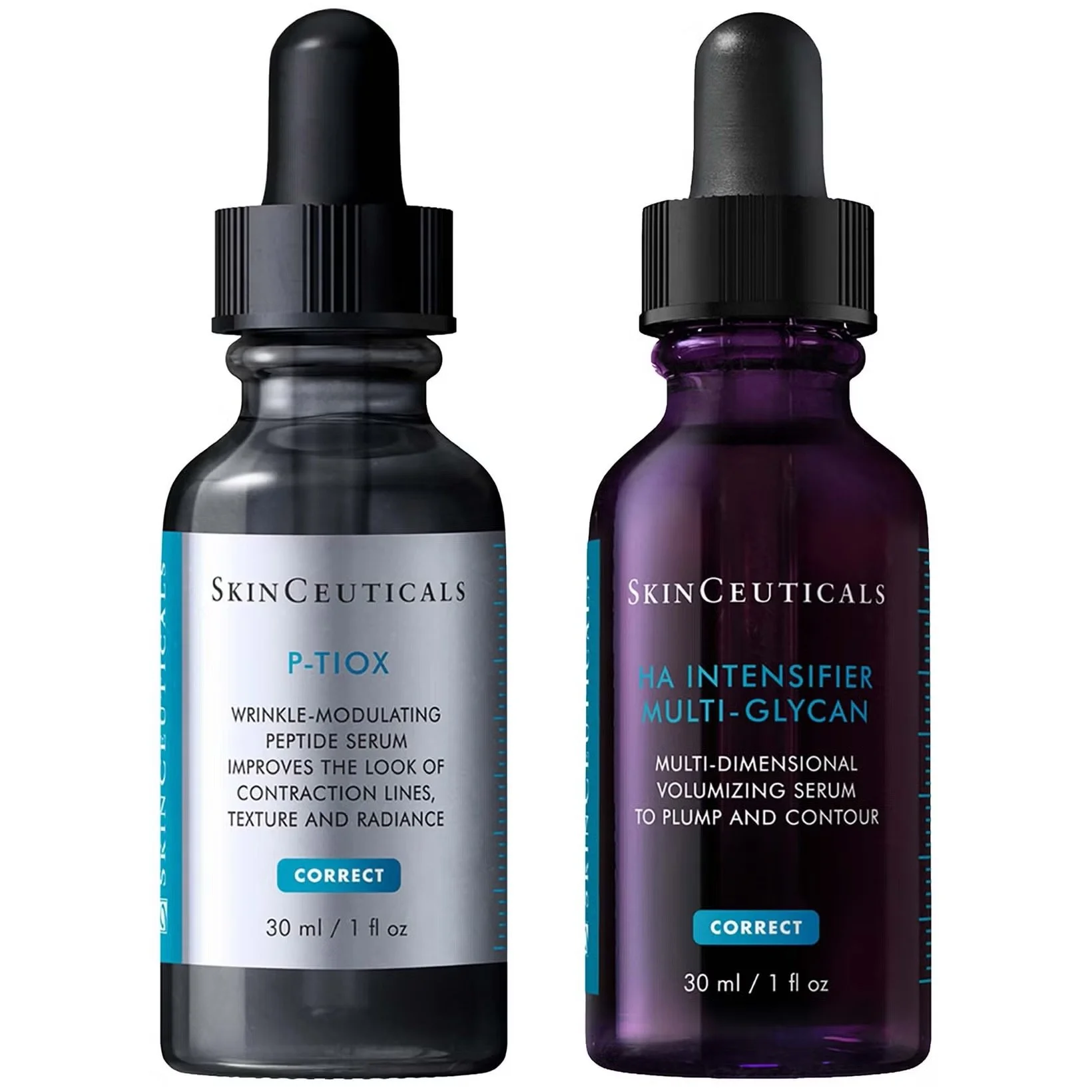
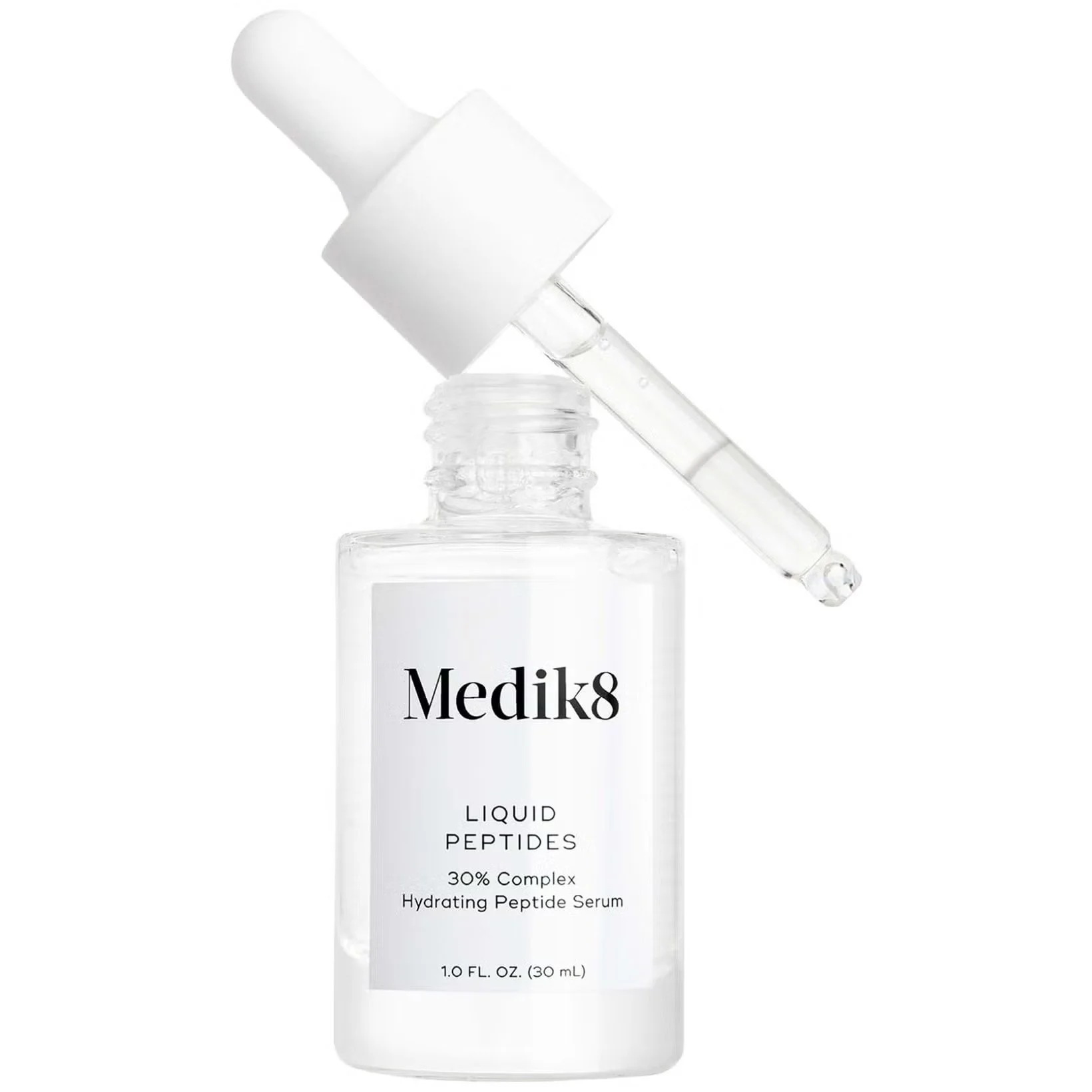
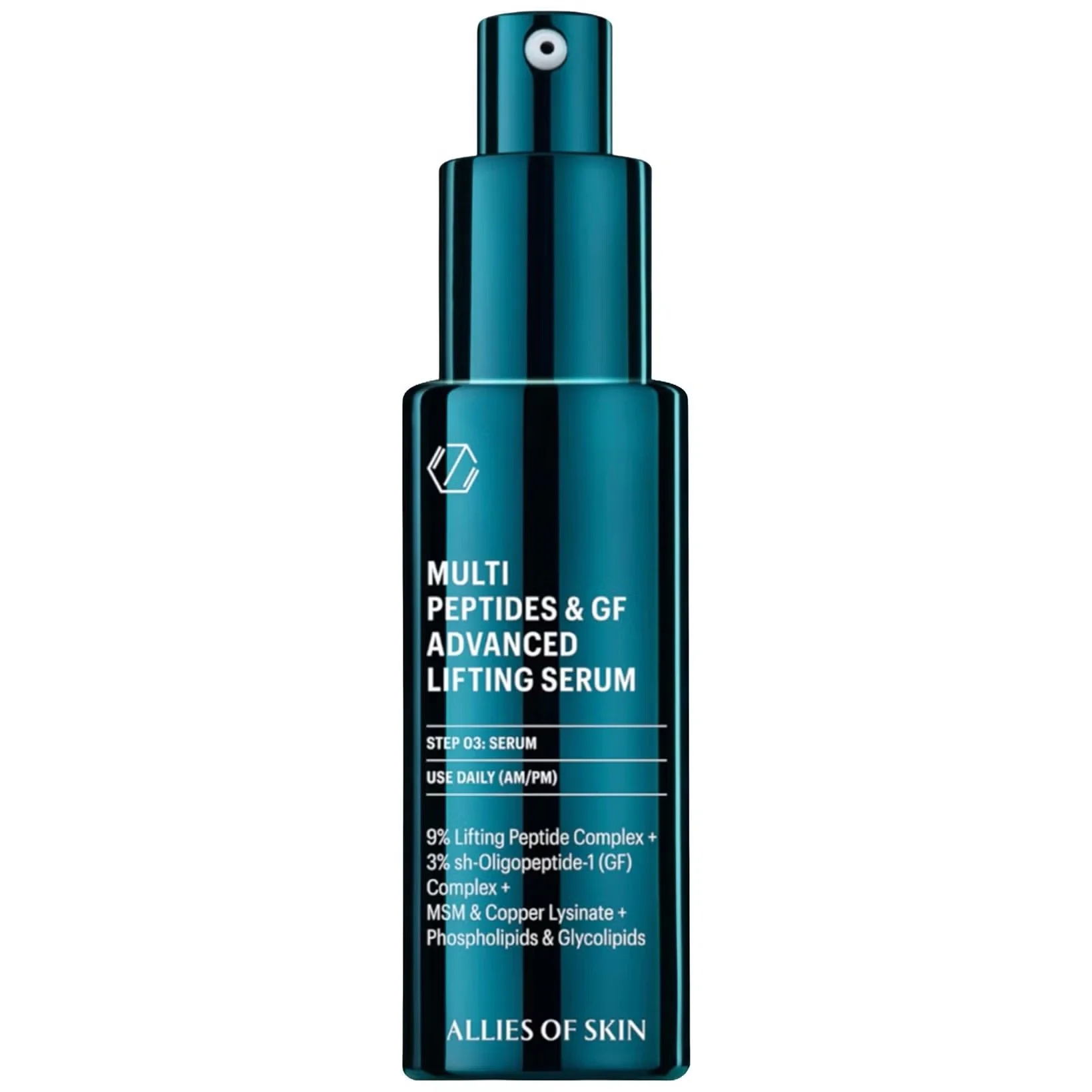
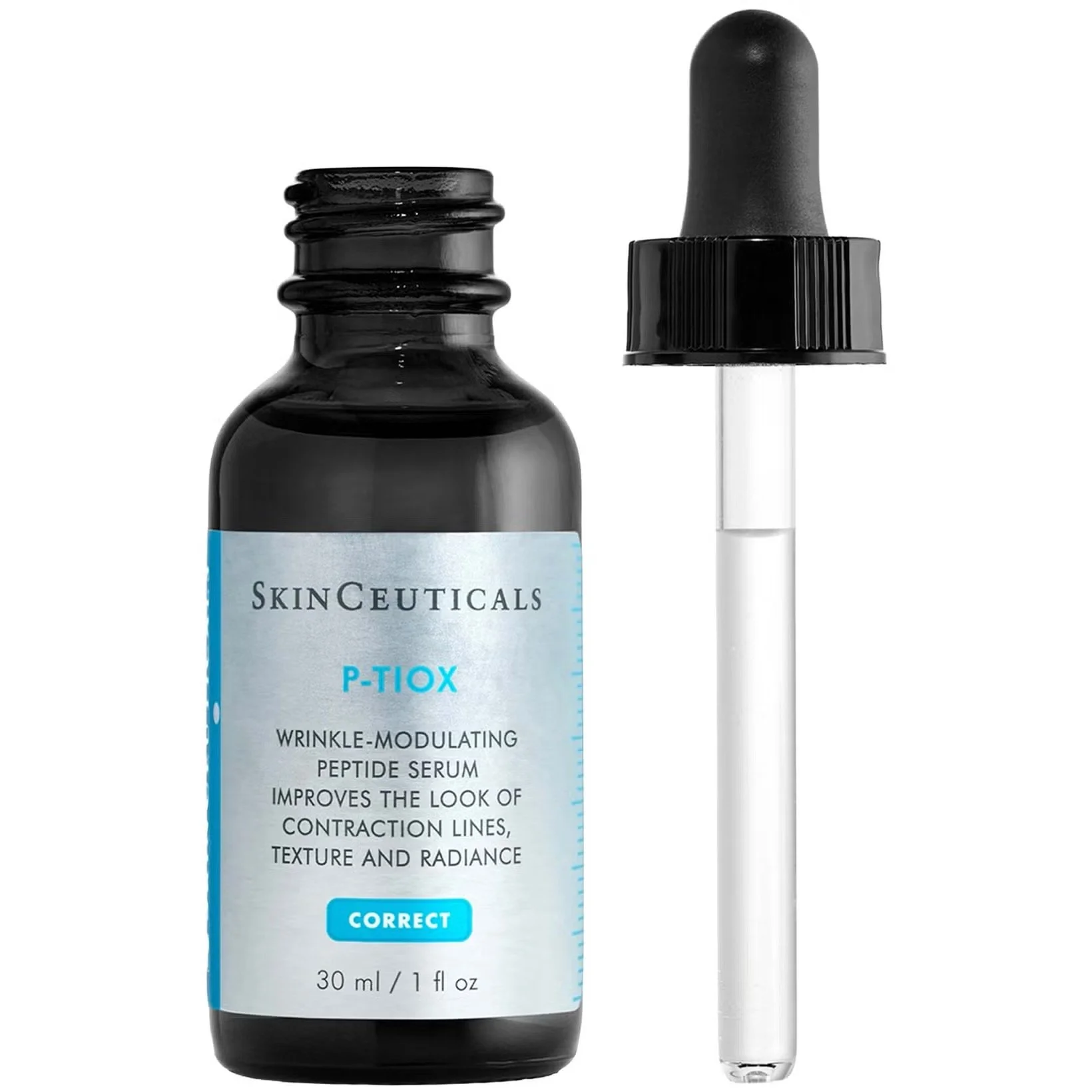
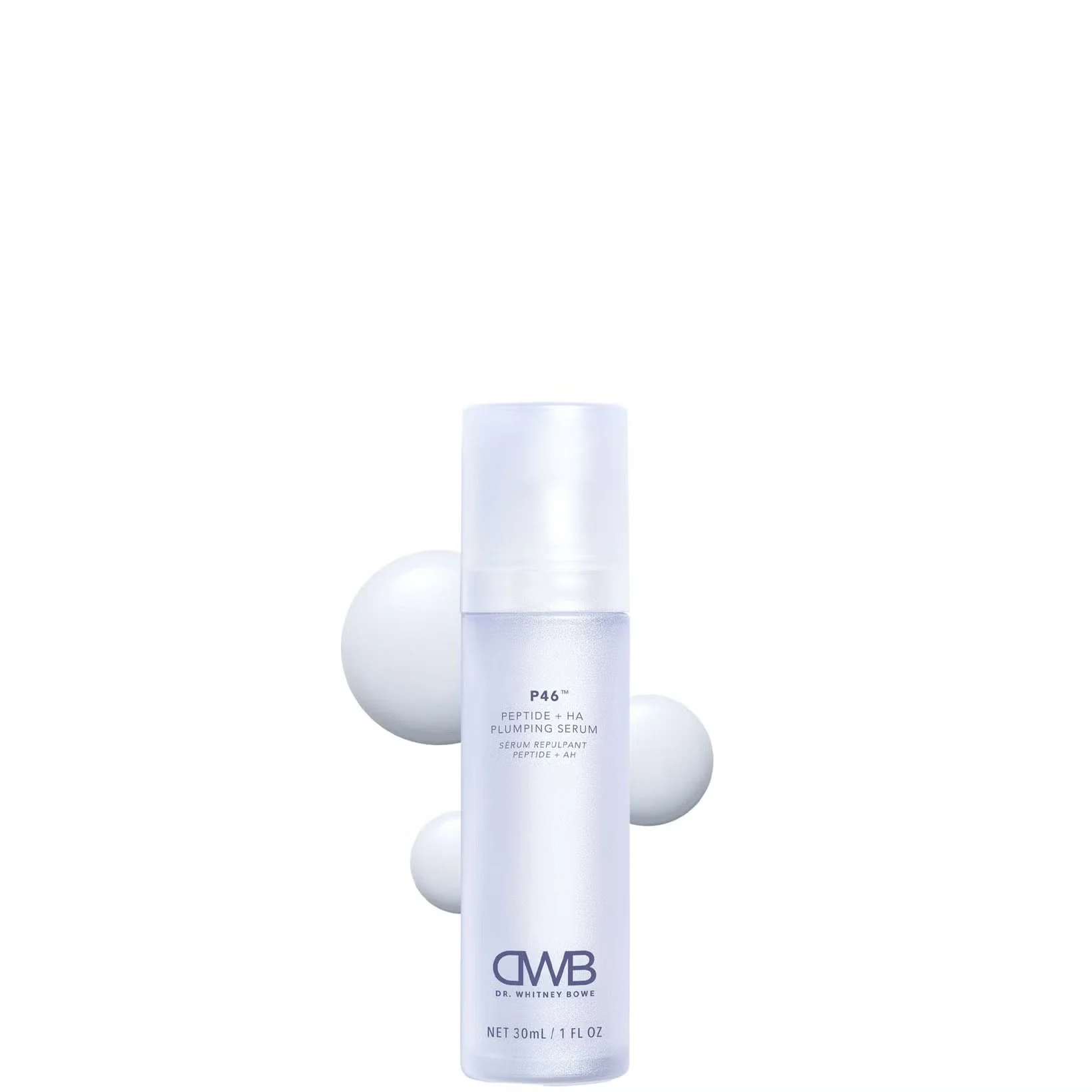
These are commonly found in anti-aging serums, peptide moisturizers, and eye creams.
Are Peptides the Future of Anti-Aging Skincare?
Peptides may not replace retinol entirely—but they are redefining what anti-aging looks like in 2026 and beyond.
The future of skincare is:
Gentle but effective
Barrier-focused
Sustainable and preventative
Peptides align perfectly with this shift. They don’t shock the skin—they train it to function better.
If retinol feels like a sprint, peptides are a graceful, long-distance walk toward healthier, firmer, more youthful skin.
Peptides aren’t loud. They don’t tingle. They don’t peel. But they work—quietly, consistently, and kindly. And for many women, that’s exactly the kind of anti-aging solution worth investing in.
If your skin is craving results without rebellion, peptides may be your new holy grail.