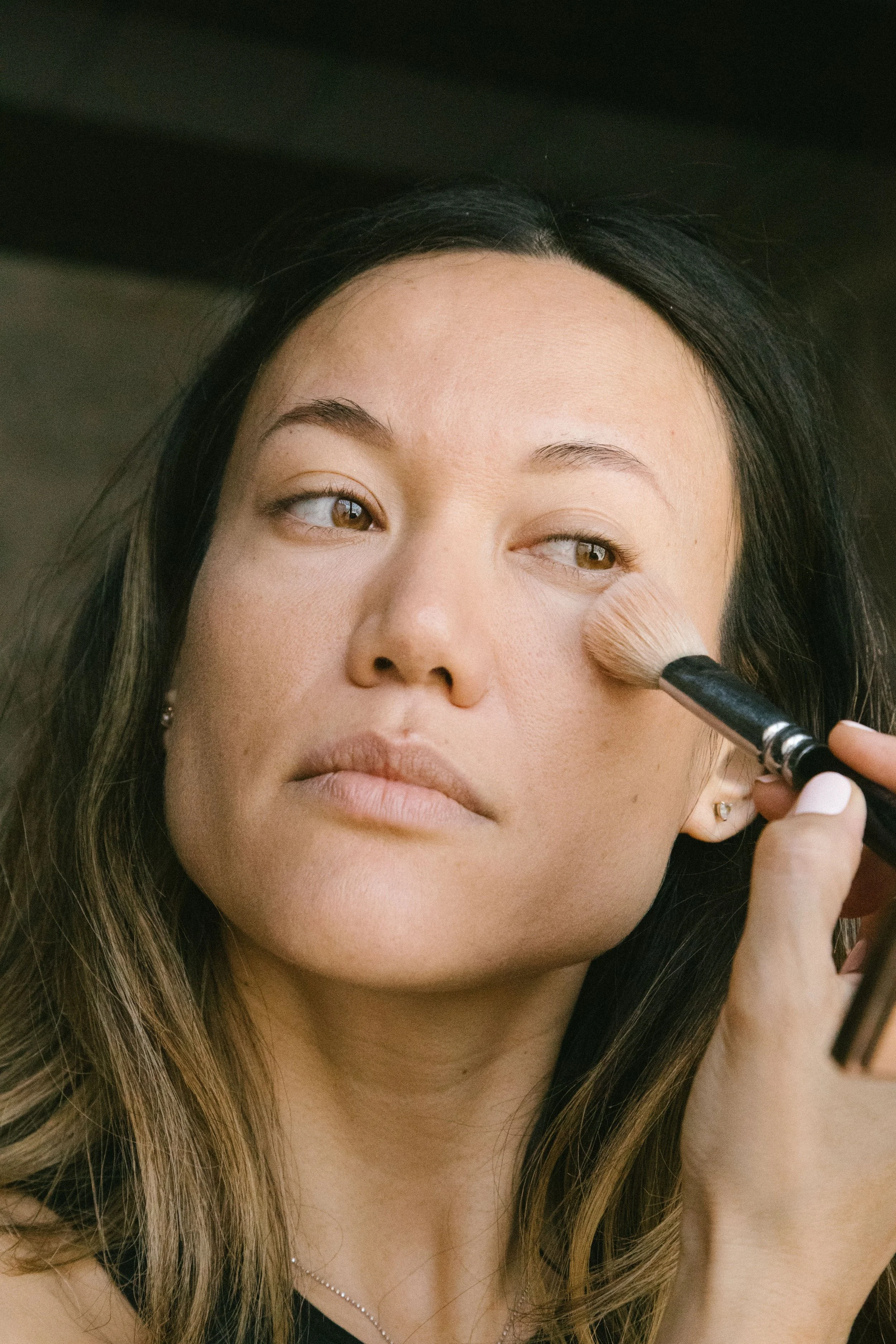
Why Your Skin Needs a Reset: Signs You’re Over-Exfoliating
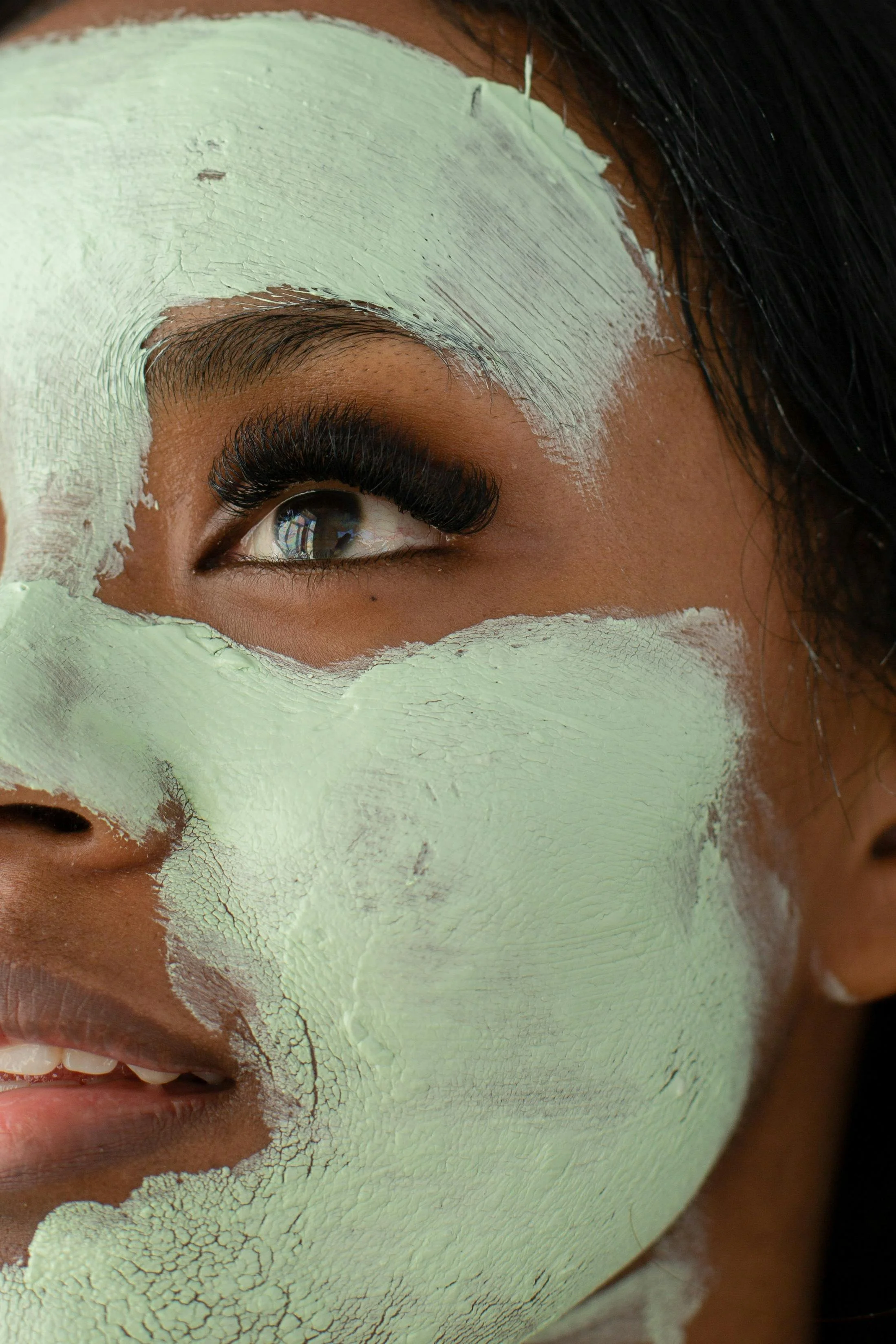
Photo By: Monstera Production
In the pursuit of glowing, glass-like skin, exfoliation has become a cornerstone of modern skincare routines. From chemical exfoliants like AHAs and BHAs to exfoliating toners, masks, and serums, we’re constantly told that sloughing off dead skin cells is the key to clarity and radiance.
But more isn’t always better.
In fact, over-exfoliation is one of the most common—and most damaging—skincare mistakes, especially among women who are serious about results. If your skin feels irritated, unpredictable, or suddenly refuses to “behave,” it may be quietly asking for a reset.
Let’s break down the signs of over-exfoliated skin, why it happens, and how to restore balance without sacrificing results.
What Is Over-Exfoliation?
Over-exfoliation occurs when the skin barrier is compromised due to excessive use of exfoliating products—whether chemical, physical, or enzymatic. This can mean exfoliating too frequently, layering multiple active ingredients, or using products that are simply too strong for your skin type.
While exfoliation helps improve skin texture, unclog pores, and boost cell turnover, too much strips the skin of its protective barrier, leading to inflammation, sensitivity, and long-term damage.
7 Signs You’re Over-Exfoliating Your Skin
1. Persistent Redness or Sensitivity
If your skin looks flushed even when you’re not using active products, that’s a red flag. Over-exfoliated skin often appears inflamed and reacts strongly to products that never used to cause issues.
2. Stinging or Burning When Applying Skincare
A healthy skin barrier should tolerate gentle cleansers and moisturizers. If your products suddenly sting—especially water-based serums or toners—your barrier is likely compromised.
3. Tight, Shiny, or “Plastic-Like” Skin
That overly smooth, tight feeling isn’t a sign of glow—it’s a sign your skin has been stripped. This “shiny but dehydrated” look is common with excessive exfoliation.
4. Increased Breakouts or Texture
Ironically, over-exfoliation can cause more acne, not less. When the barrier is damaged, the skin produces excess oil to compensate, leading to clogged pores and breakouts.
5. Dry Patches That Won’t Go Away
Flaking around the nose, mouth, or jawline—despite using moisturizer—is a classic sign of barrier disruption caused by too many exfoliating acids.
6. Products Suddenly Stop Working
If your once-holy-grail routine feels ineffective, your skin may be too inflamed to absorb or respond to active ingredients properly.
7. Makeup Sits Poorly on the Skin
Foundation clinging to dry patches, separating, or emphasizing texture often points to an over-exfoliated surface that needs repair, not more actives.
Why Over-Exfoliation Is So Common
Modern skincare routines often encourage layering multiple exfoliating products without realizing it. A cleanser with salicylic acid, a toner with glycolic acid, a retinol serum, and an exfoliating mask—all in the same week—can quickly overwhelm the skin.
Social media trends, “glass skin” aesthetics, and fast results culture also push the idea that frequent exfoliation equals better skin. In reality, healthy skin thrives on consistency and restraint.
How to Reset Over-Exfoliated Skin
Step 1: Pause All Exfoliation
Take a complete break from acids, retinoids, scrubs, and resurfacing treatments for at least 7–14 days, depending on severity.
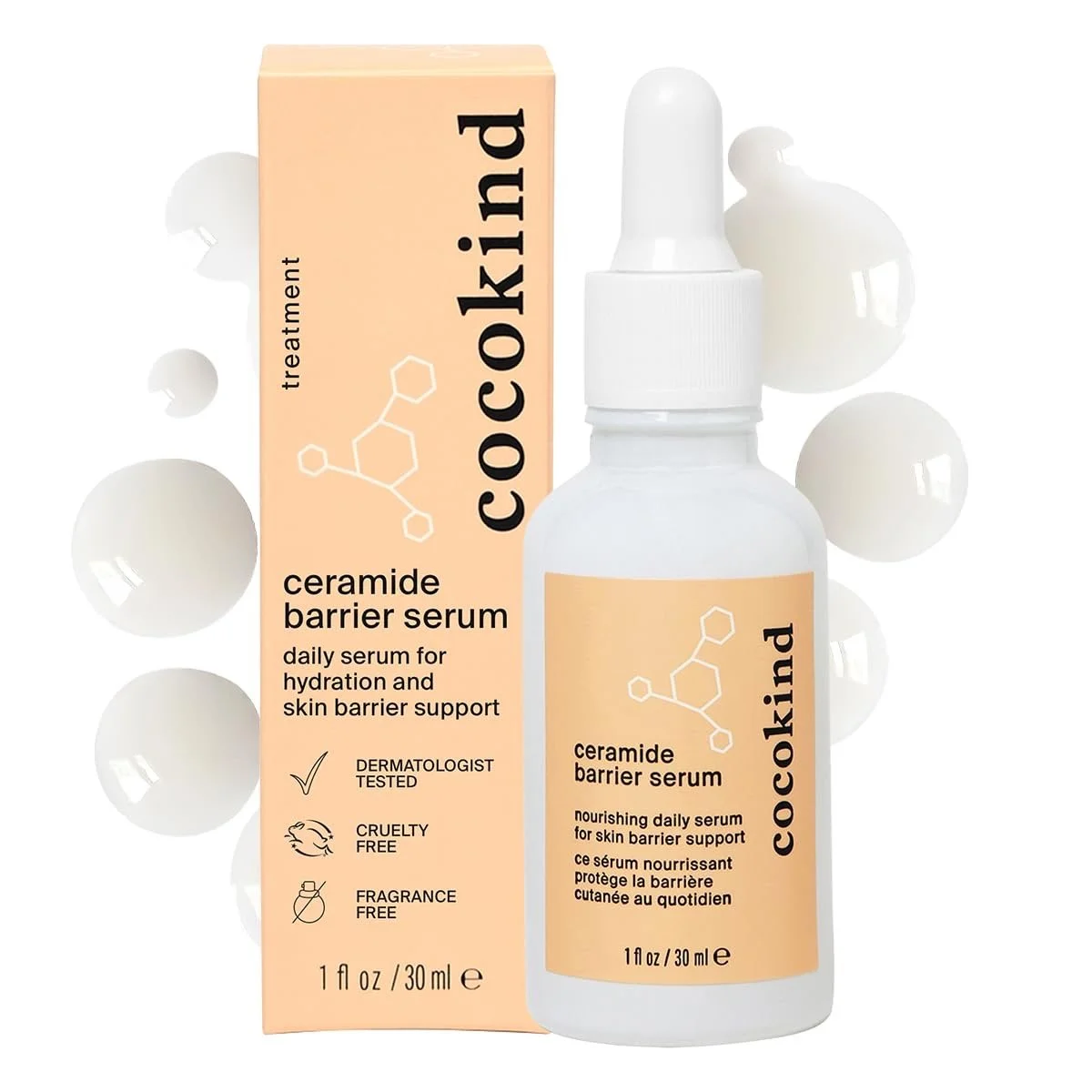
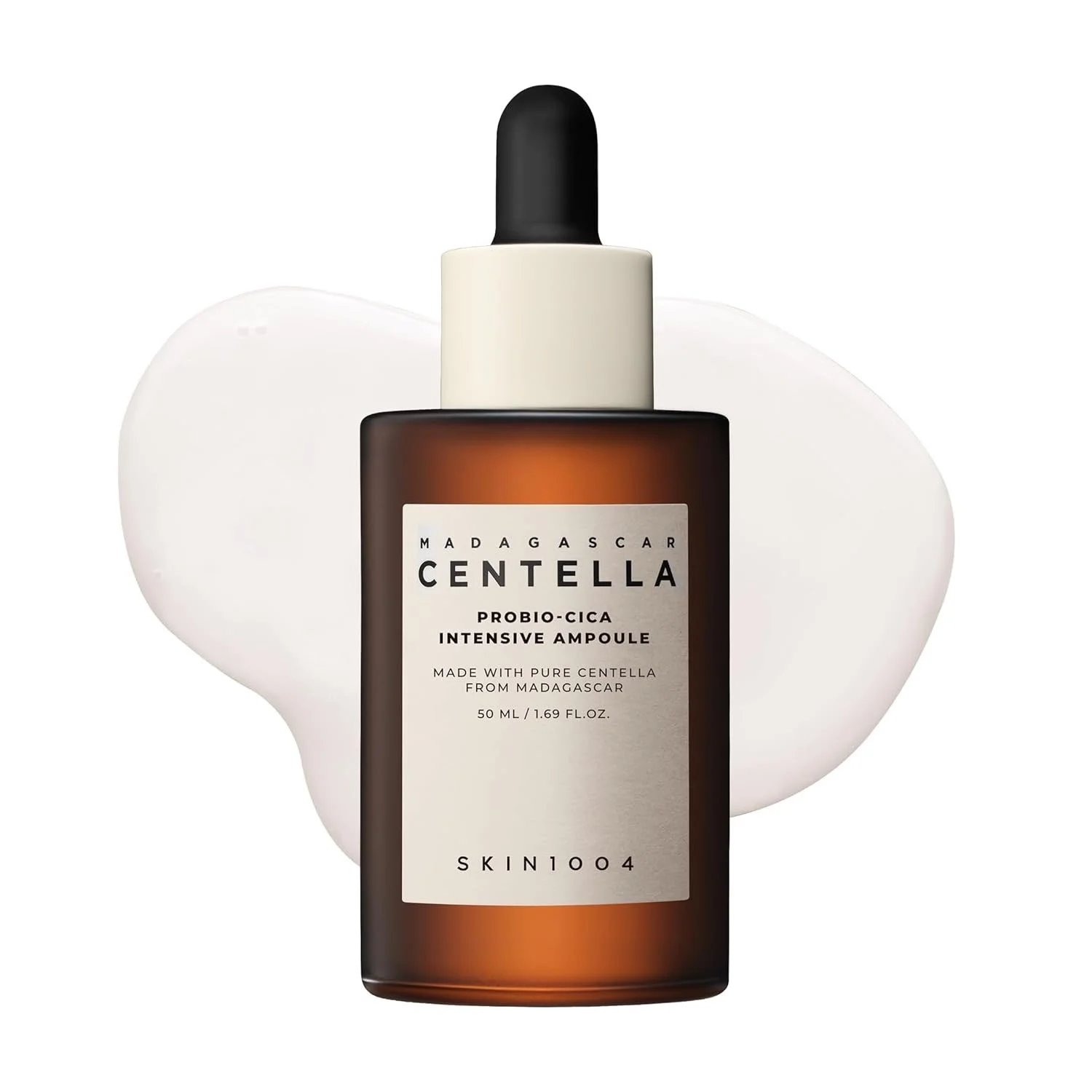
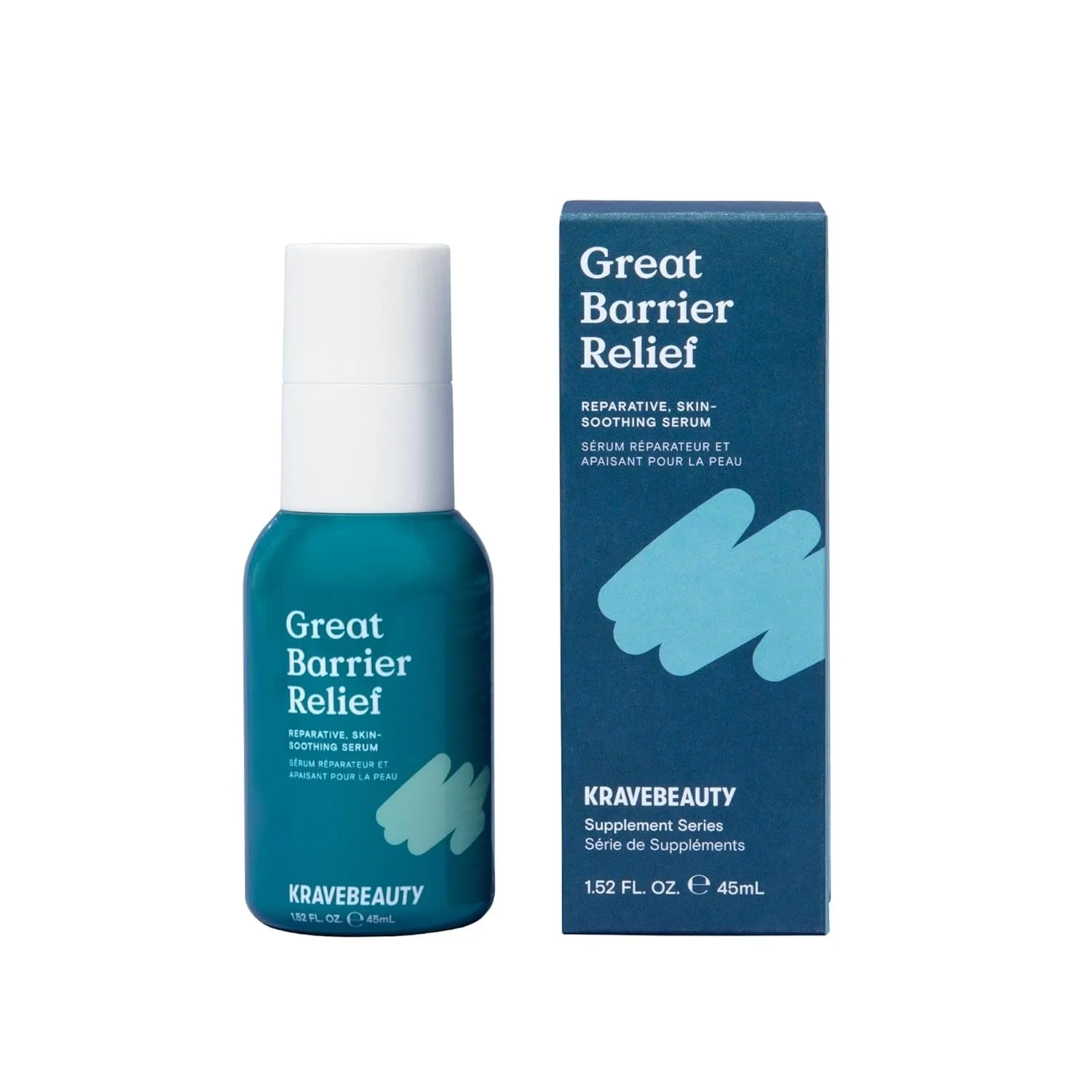
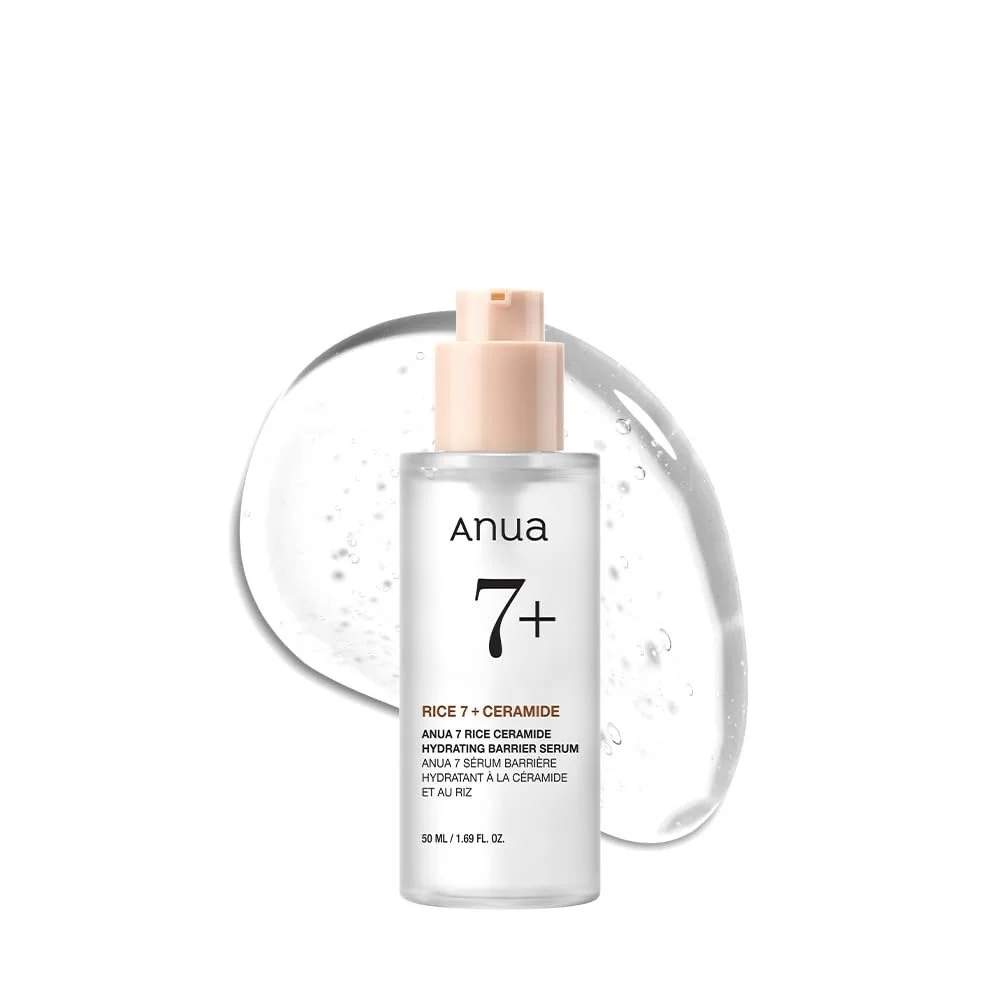
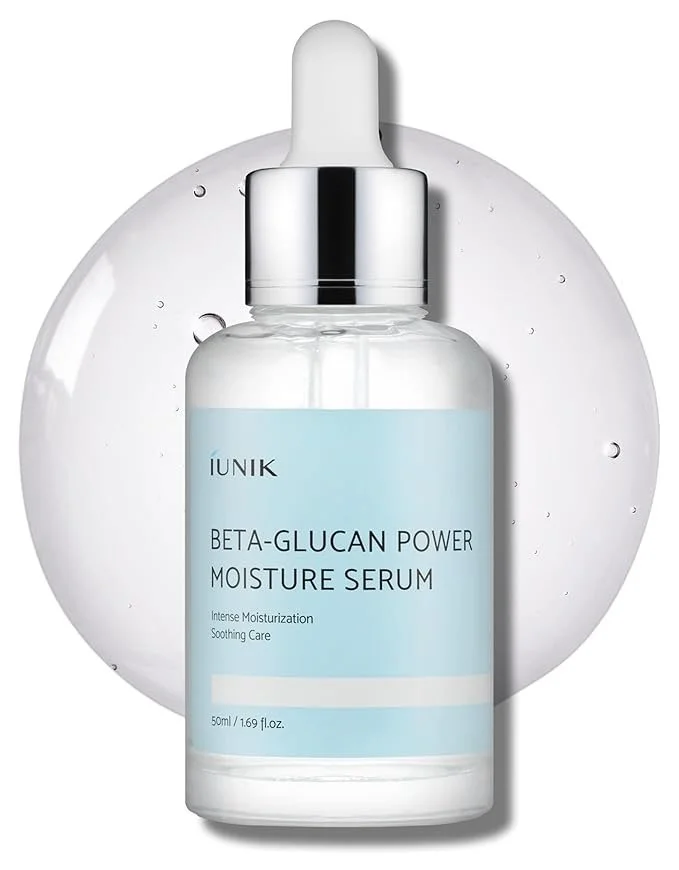
Step 2: Focus on Barrier Repair
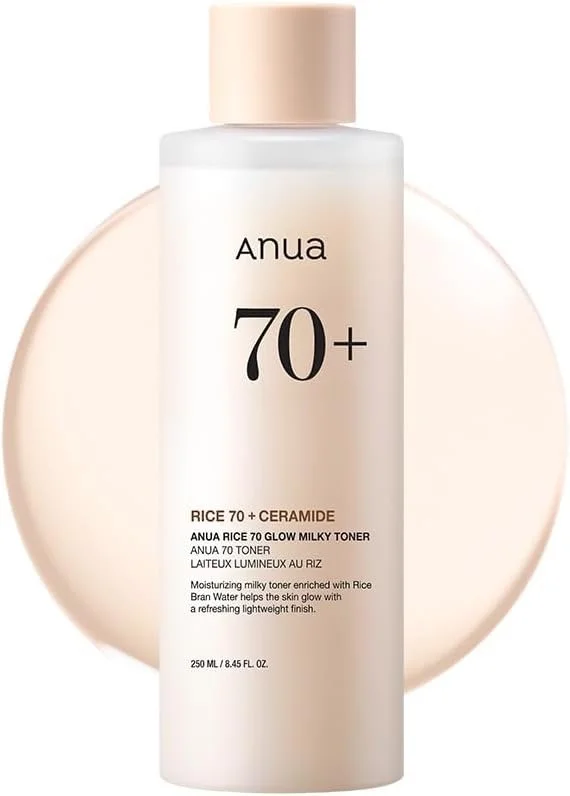
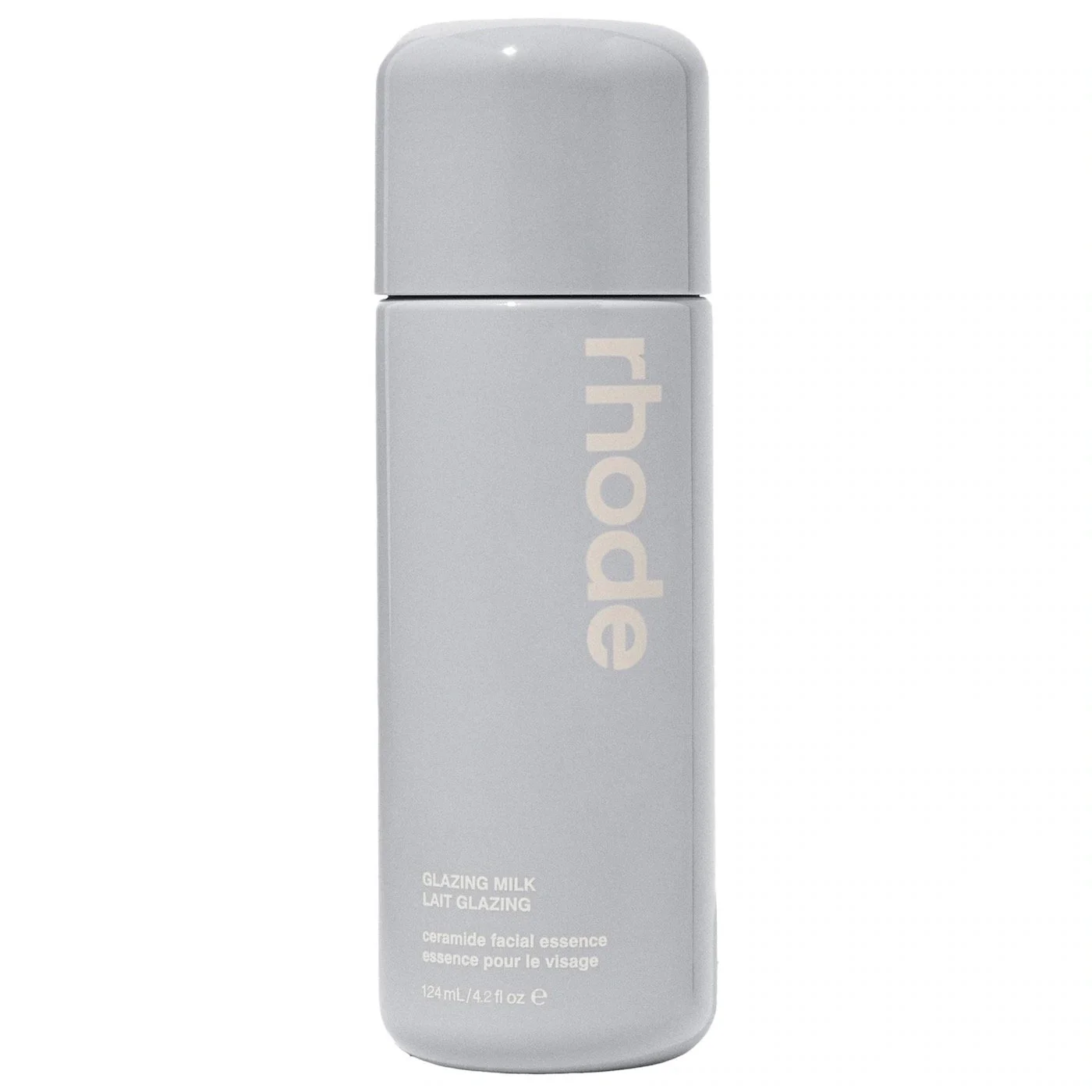
Look for keywords like ceramides, cholesterol, fatty acids, panthenol, centella asiatica, peptides, and niacinamide (low percentage). These help rebuild the skin barrier and reduce inflammation.
Step 3: Simplify Your Routine
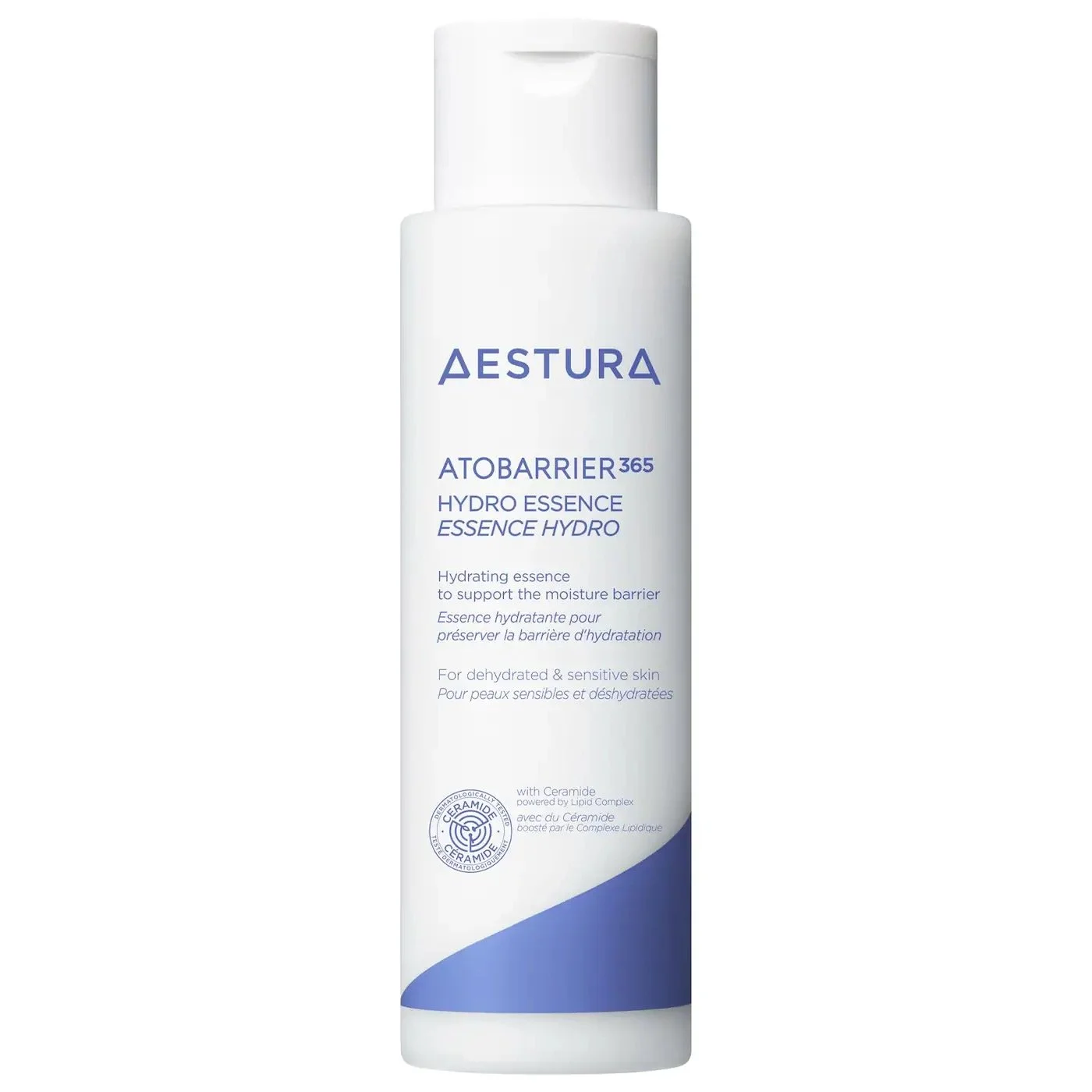
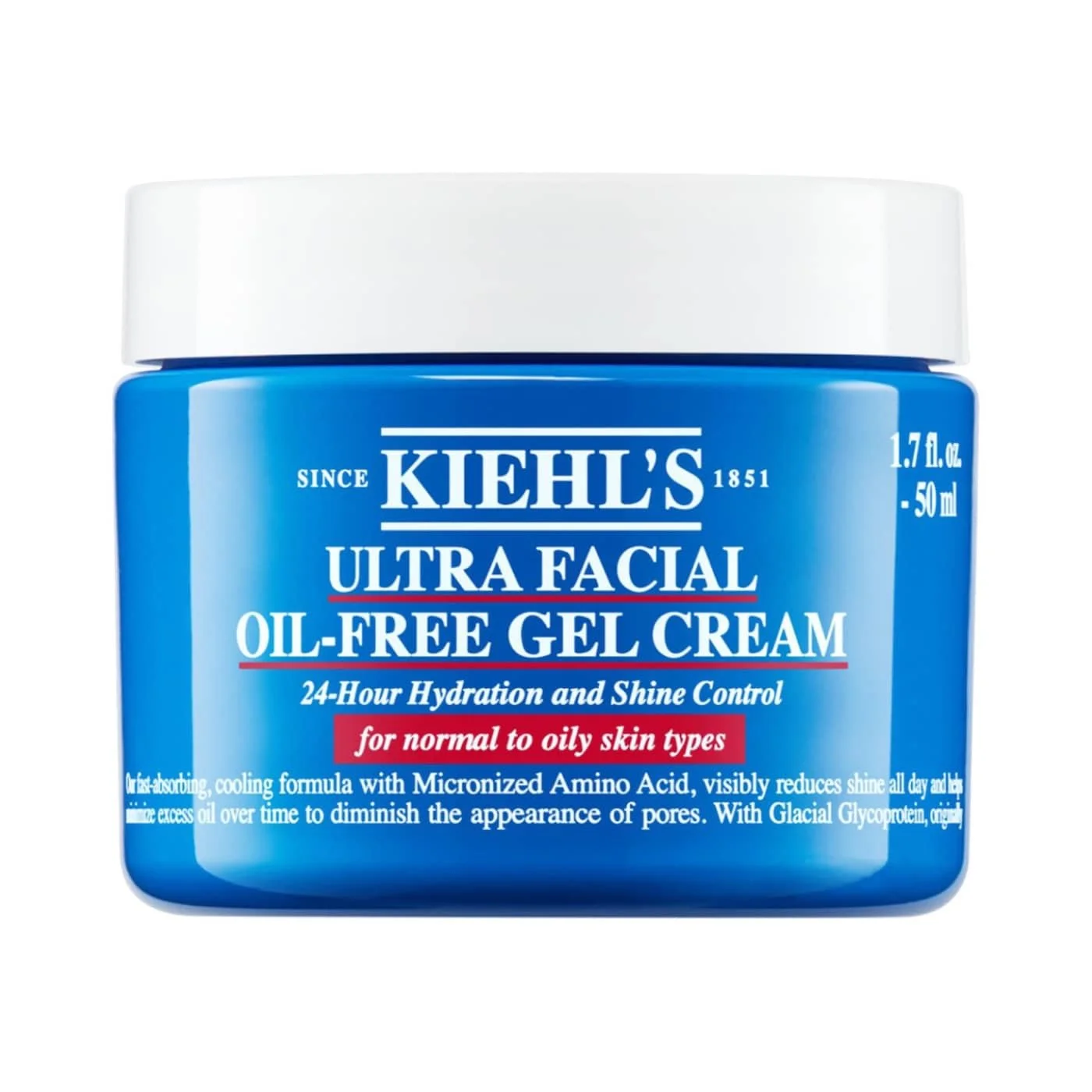
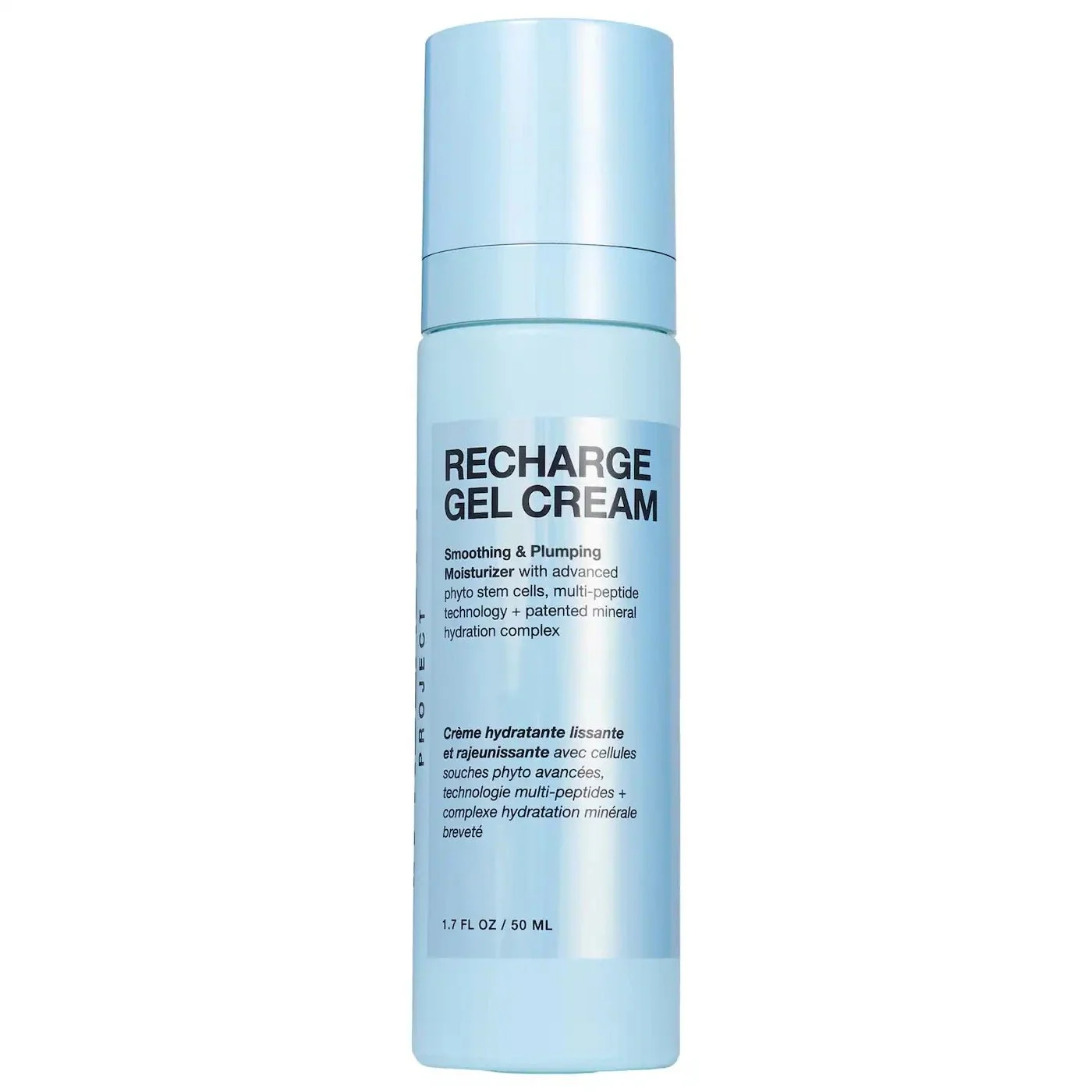
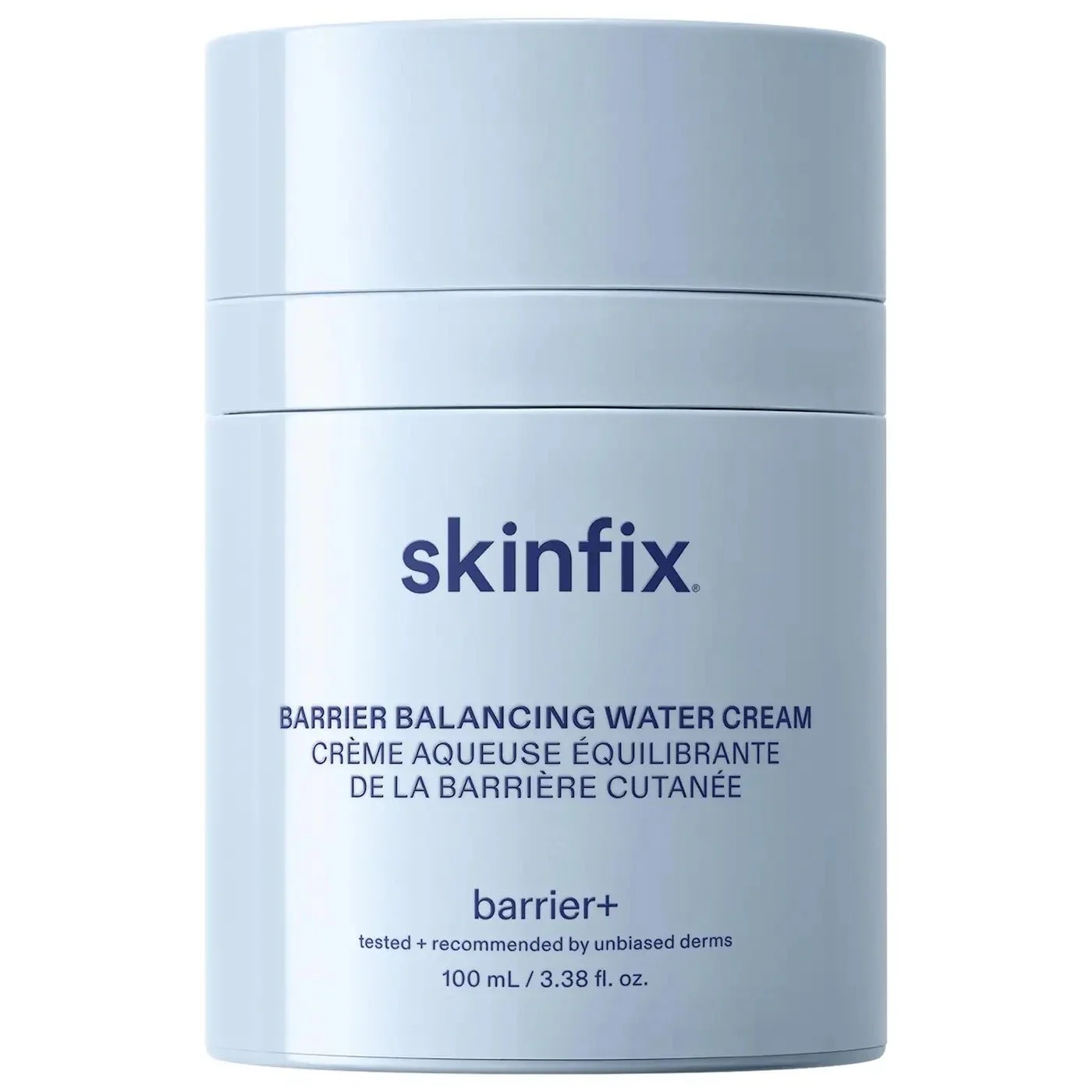
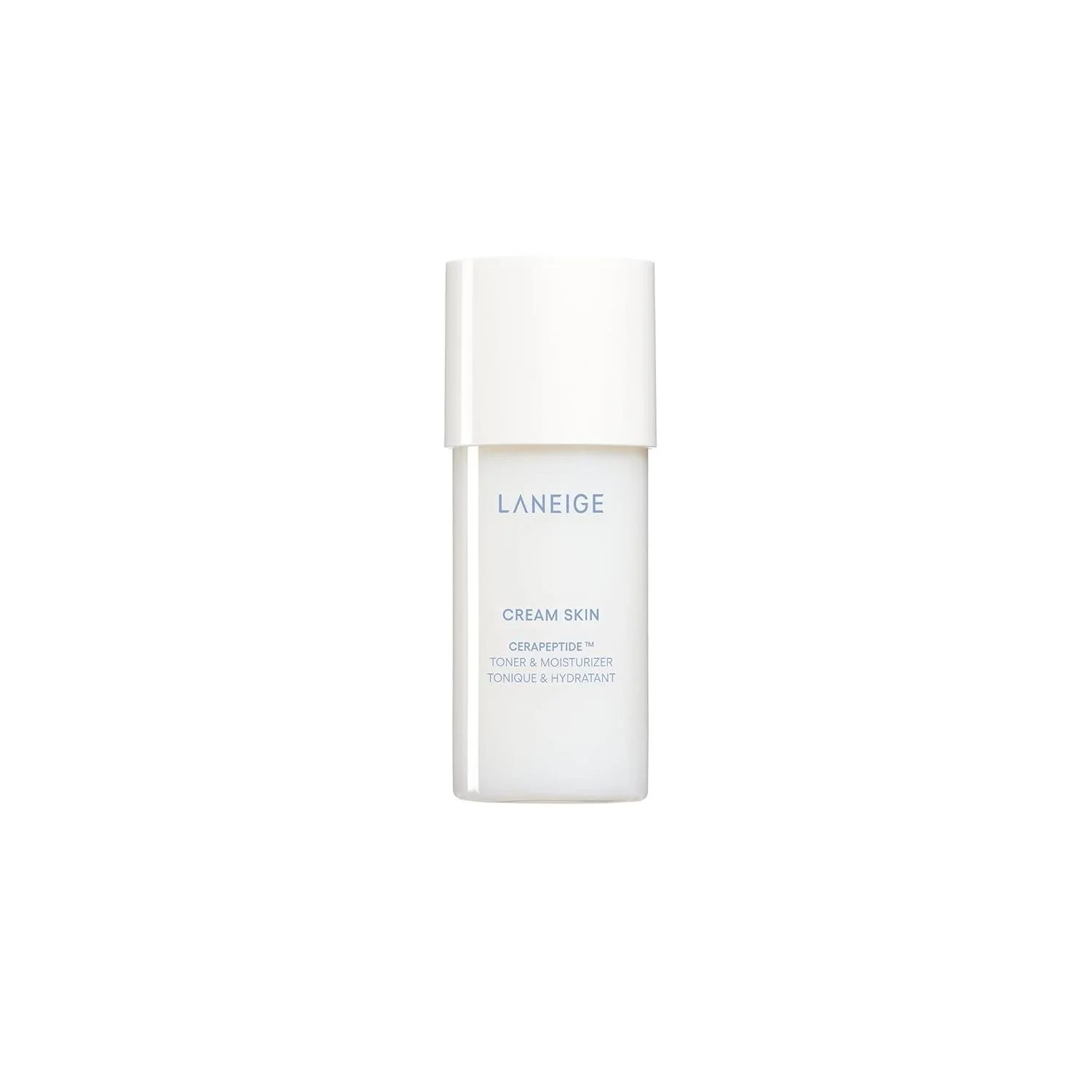
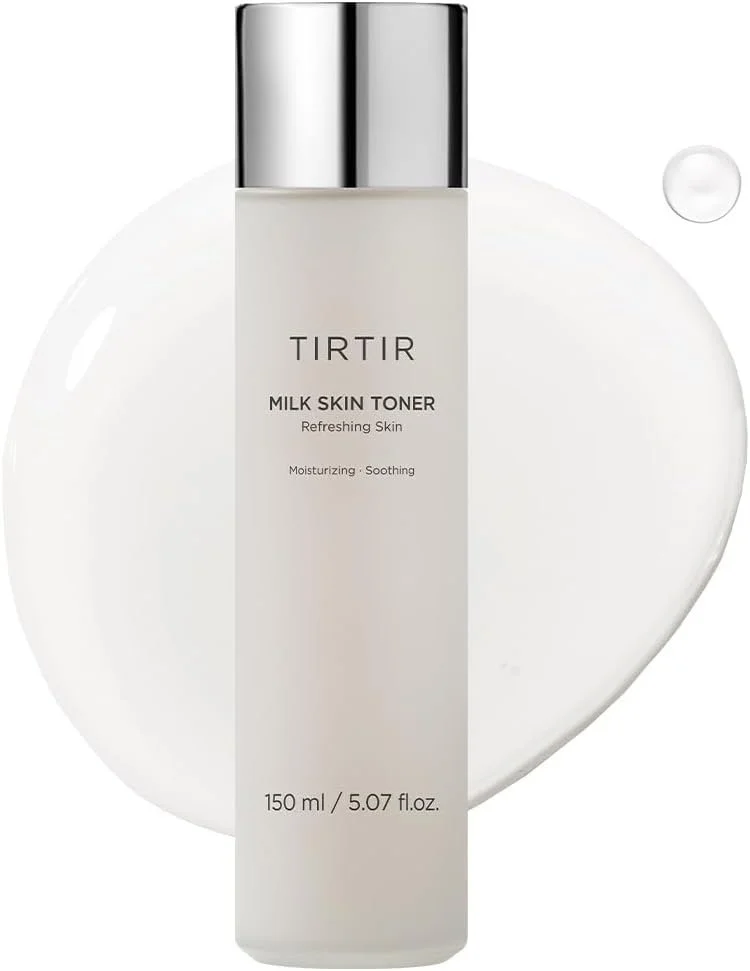
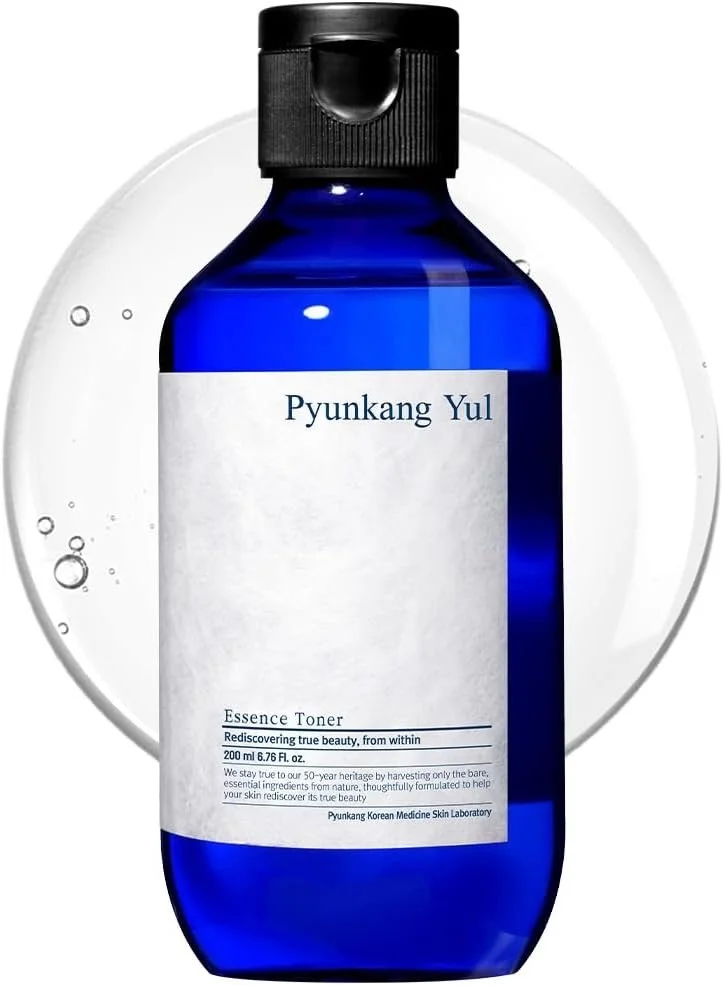
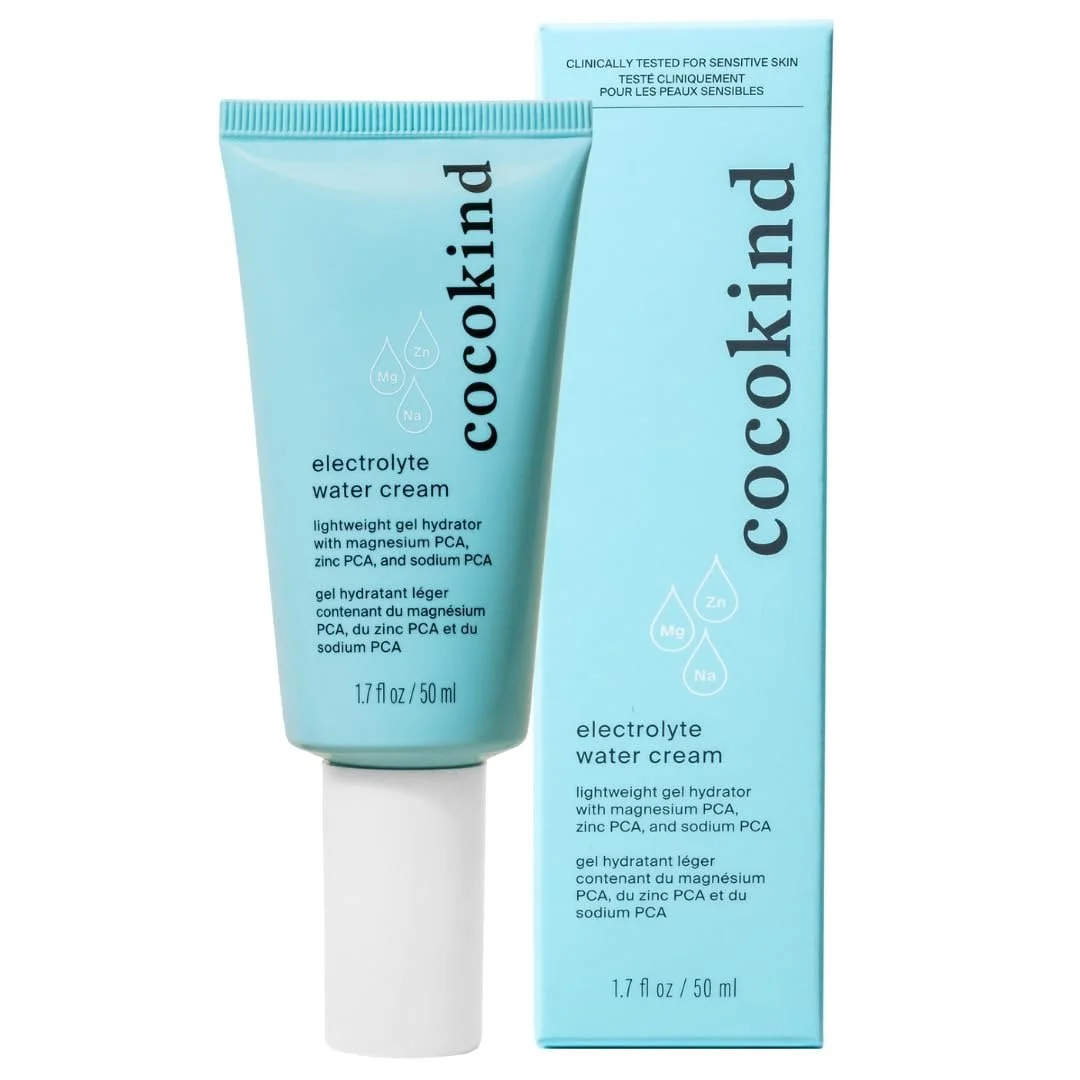
A gentle cleanser, hydrating toner or essence, barrier-repair moisturizer, and sunscreen is enough during a reset. Less truly is more.
Step 4: Prioritize Hydration Over Actives
Dehydrated skin heals slowly. Incorporate humectants like glycerin and hyaluronic acid, paired with occlusives to seal moisture in.
Step 5: Reintroduce Exfoliation Slowly
Once your skin feels calm and resilient again, reintroduce exfoliation no more than 1–2 times per week, using a single exfoliating product.
Glow Comes From Balance
Exfoliation is a powerful tool—but only when used intentionally. Skin that looks radiant, smooth, and youthful isn’t over-processed; it’s well-protected, hydrated, and respected.
If your skin has been acting out, consider this your sign to step back, reset, and rebuild. When the skin barrier is healthy, everything else—from glow to texture to longevity—falls effortlessly into place.
Your best skin doesn’t come from doing more.
It comes from knowing when to pause.