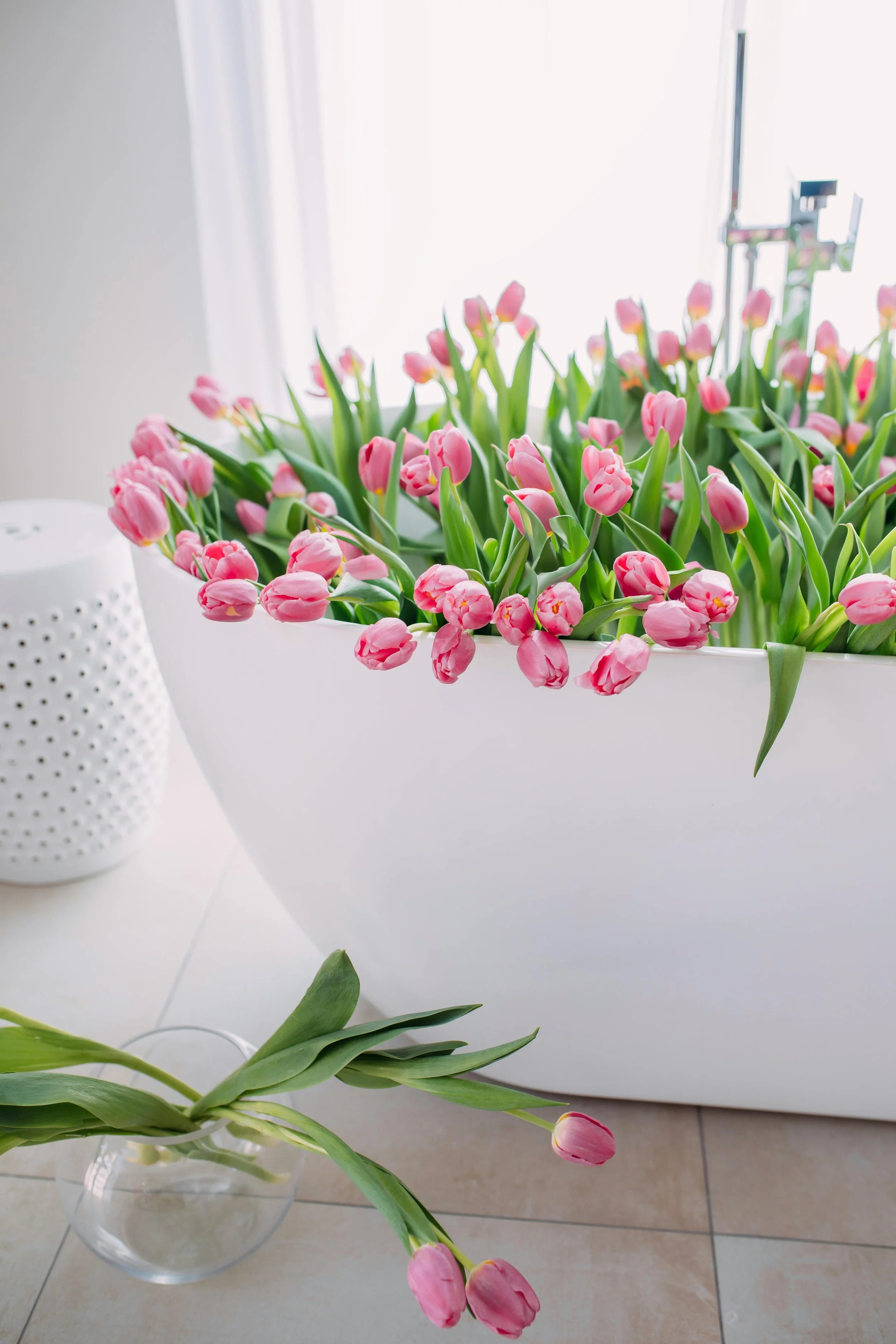
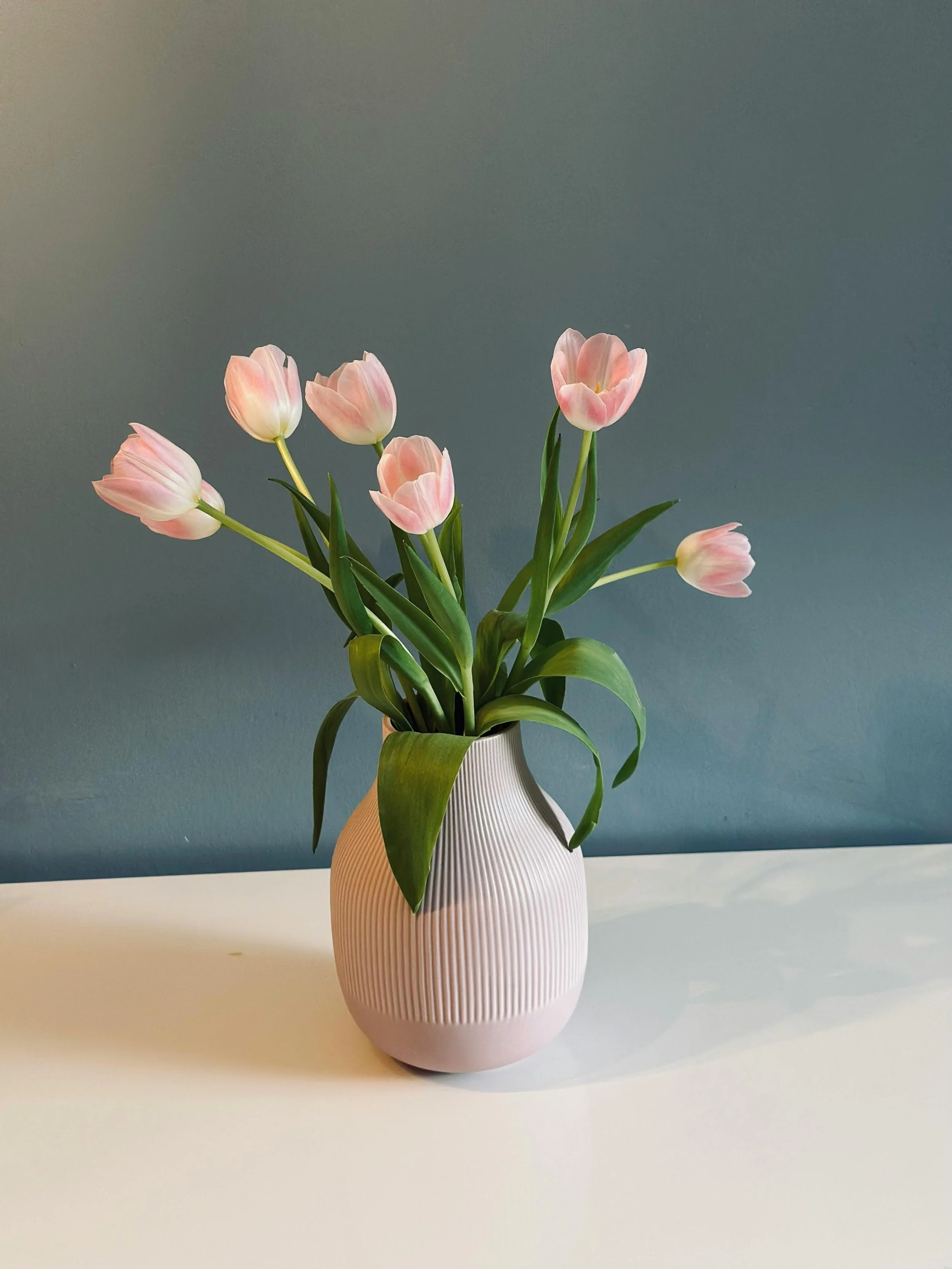
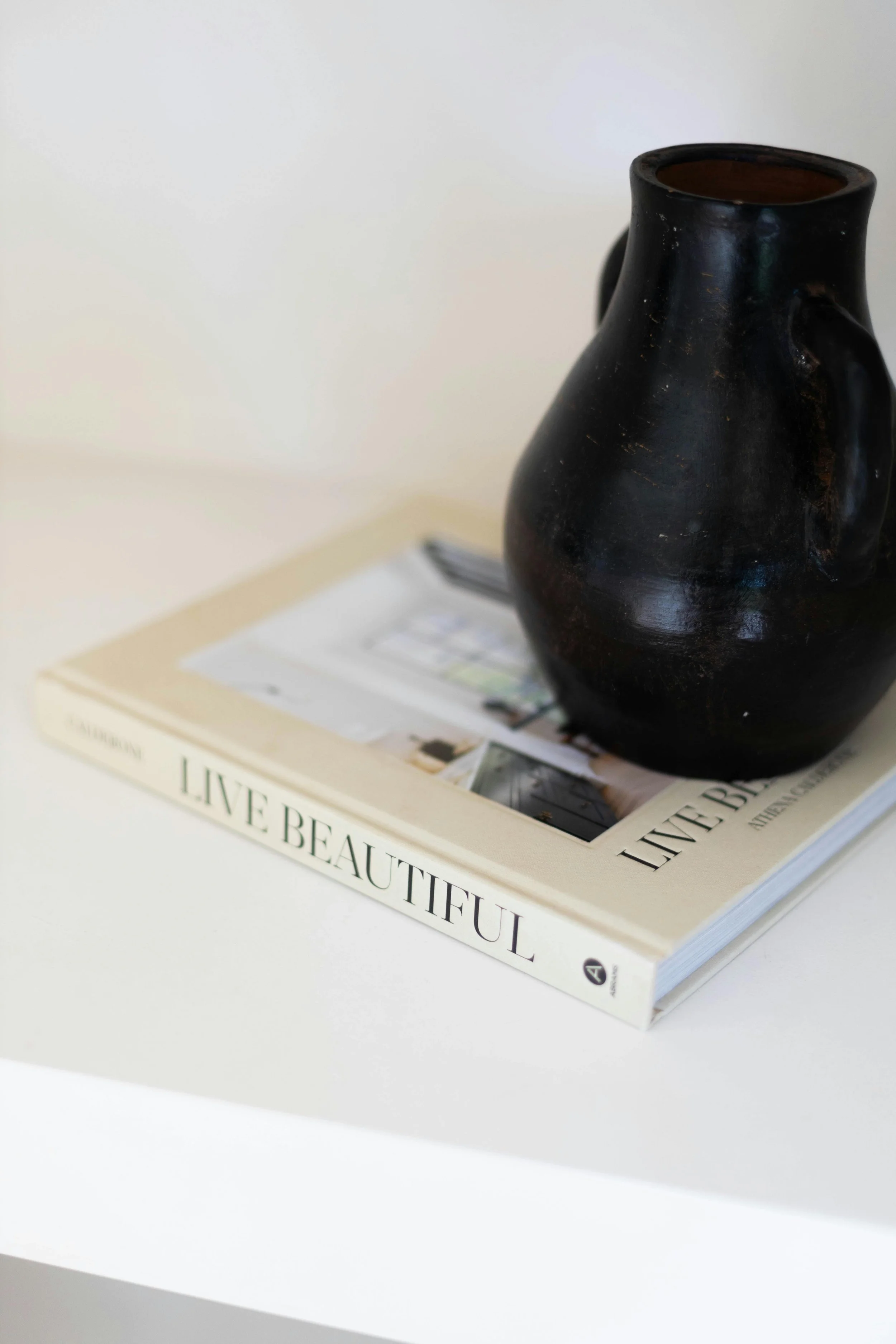
Everyday Objects as Art: Elevating Functional Beauty in Your Home & Life
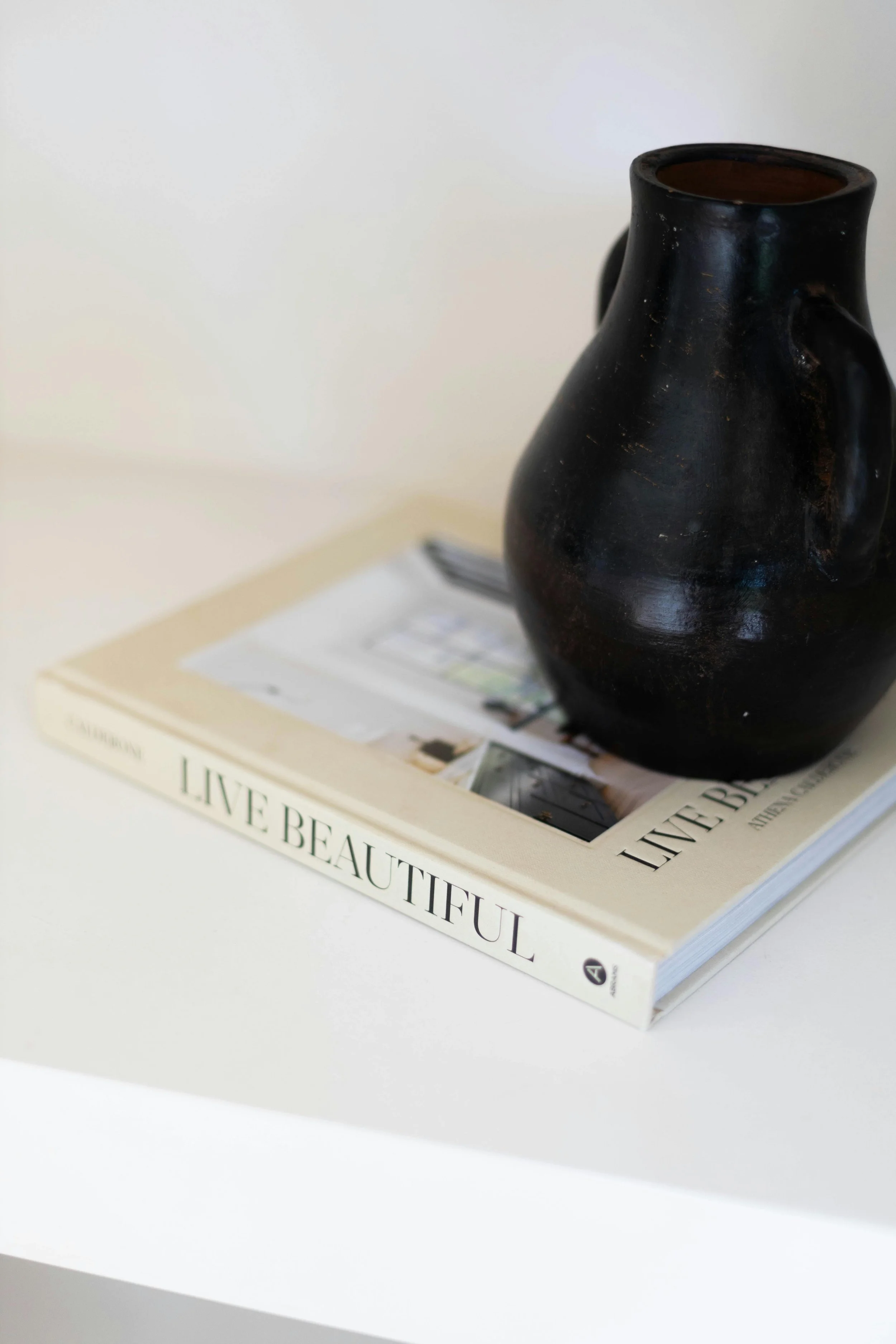
Photo by Vale Bocchi
In an era where intentional living, quiet luxury, and slow design are trending, everyday objects as art has emerged as a powerful concept in interior styling, wellness, and lifestyle design. More than simply decorating, this movement invites us to elevate functional beauty, turning ordinary objects into meaningful design statements that enhance both our homes and daily rituals.
From sculptural vases to artful kitchen tools, people are searching for ways to blend beauty with practicality. This guide answers today’s most trending questions around functional art — and shows you how to effortlessly bring this aesthetic into your own space.
What Does “Everyday Objects as Art” Mean?
Everyday objects as art refers to everyday functional items that are thoughtfully designed to be visually beautiful, emotionally resonant, and purpose-driven. These are objects you interact with daily — trays, mugs, mirrors, lighting, kitchen tools — that double as artistic statements.
Rather than hiding functional items, this trend encourages showcasing them. Think of a handcrafted ceramic bowl displayed on a countertop or a sculptural lamp acting as a focal point in a living room.
Why it’s trending: Minimalism, mindful living, and luxury aesthetics have created a desire for homes that feel curated yet effortless. Functional art allows you to reduce clutter while elevating style.
Why Are People Turning Everyday Objects into Art?
Search trends reveal a growing desire for intentional spaces that feel calming, elevated, and personal. People want homes that reflect identity, values, and emotional well-being — not just visual appeal.
Functional beauty creates:
Visual harmony
Emotional connection
A sense of luxury without excess
Mindful consumption
This shift also aligns with sustainability. Instead of buying decorative clutter, people invest in beautiful items they actually use — a more thoughtful, eco-conscious approach.
Trending question: How can I make my home look expensive without spending a fortune?
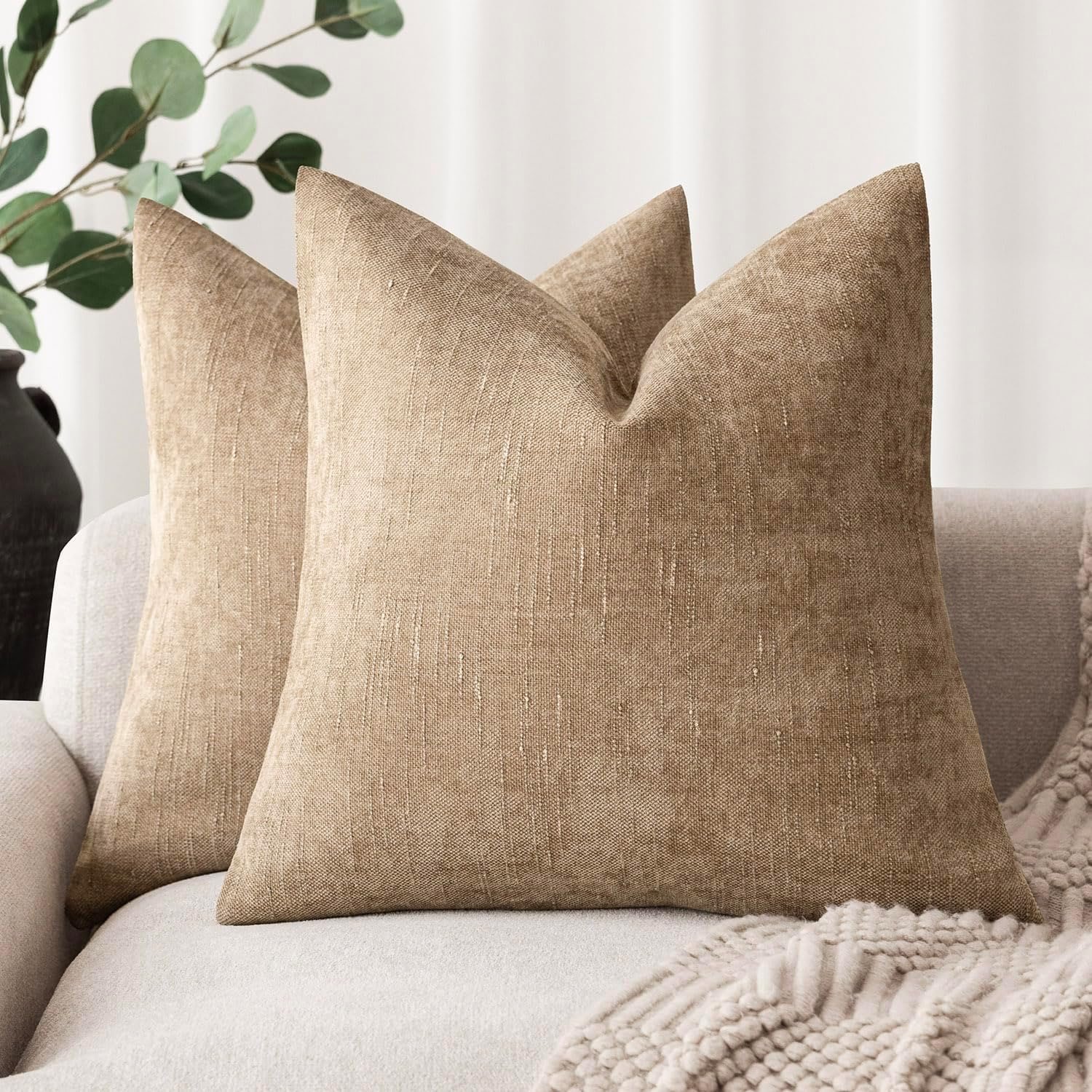
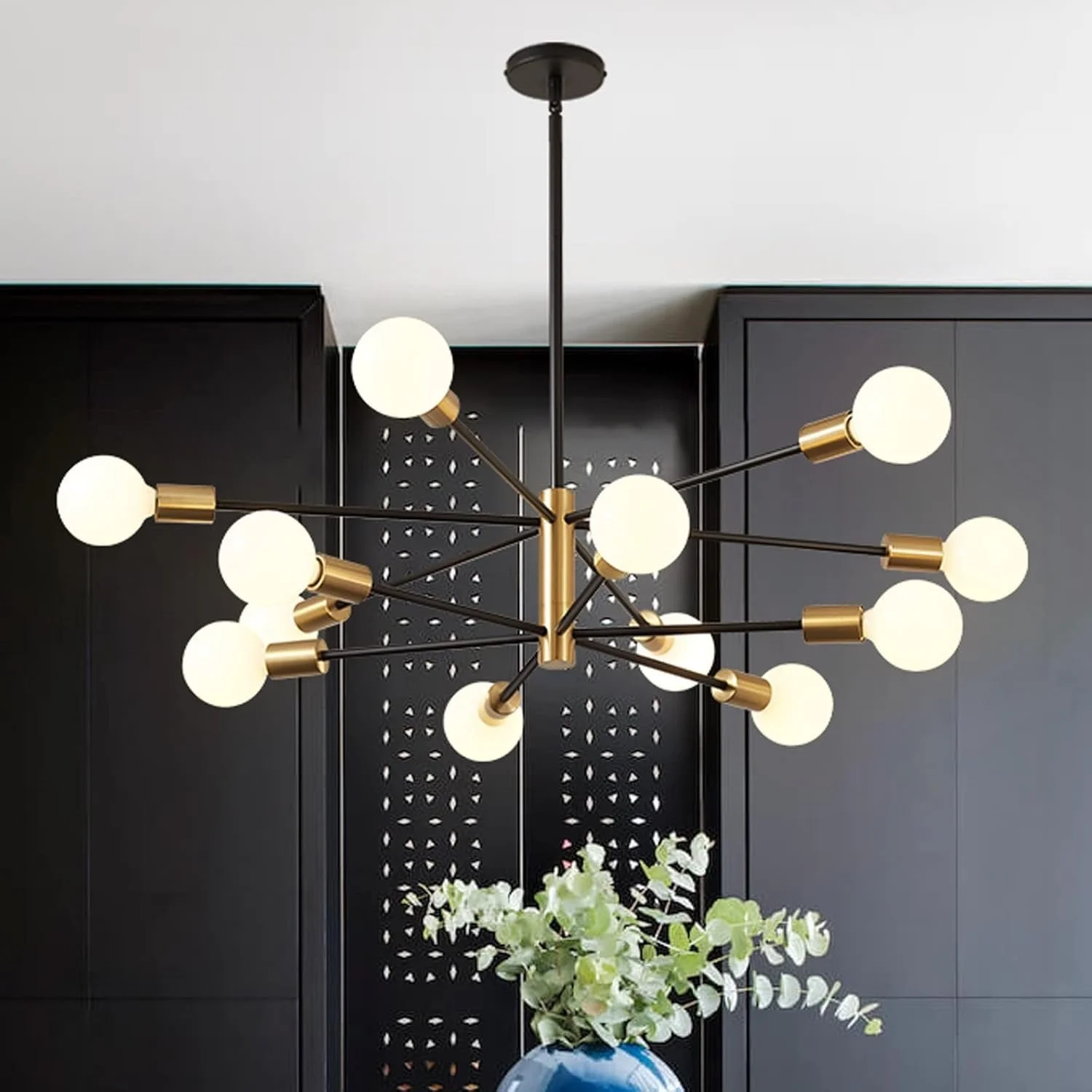
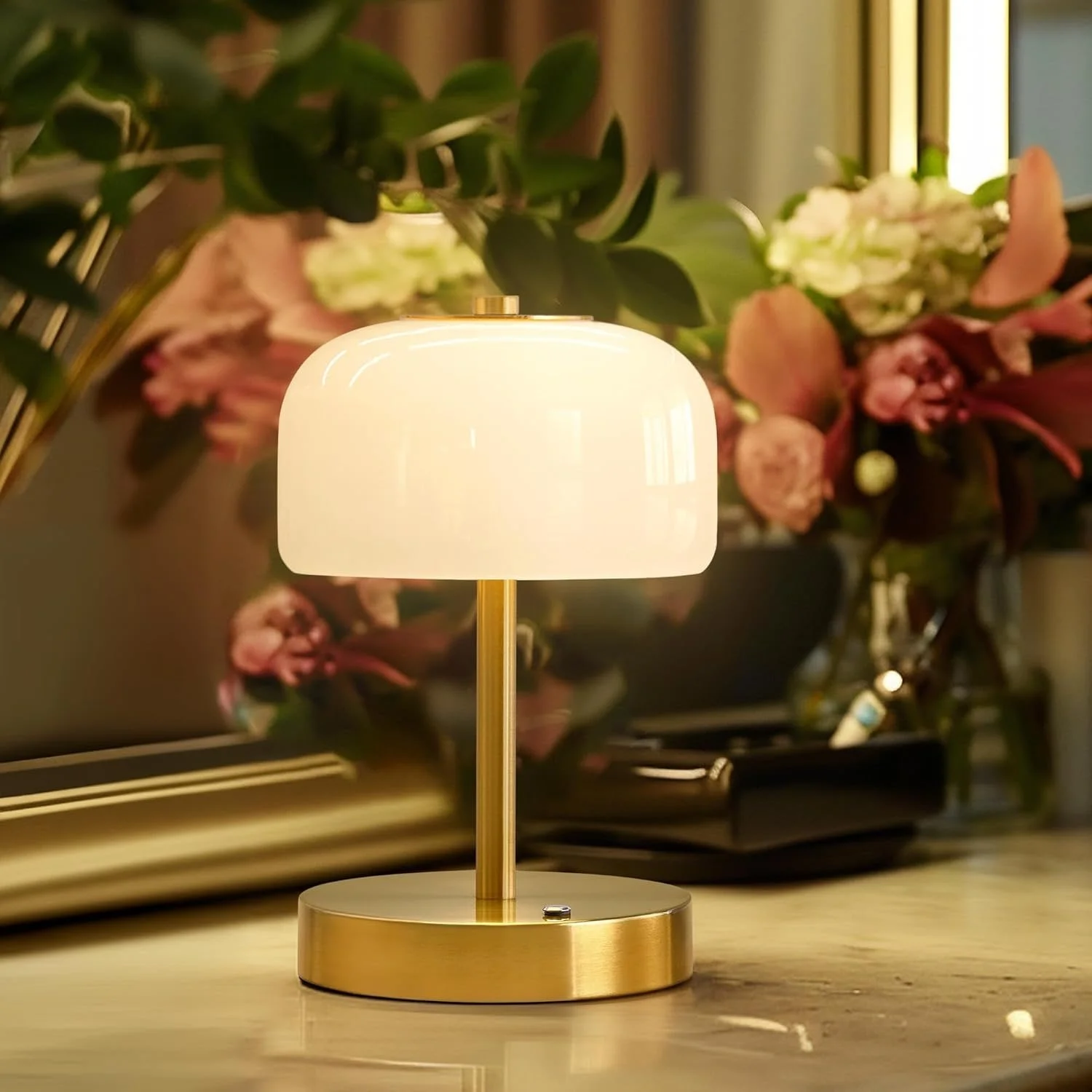
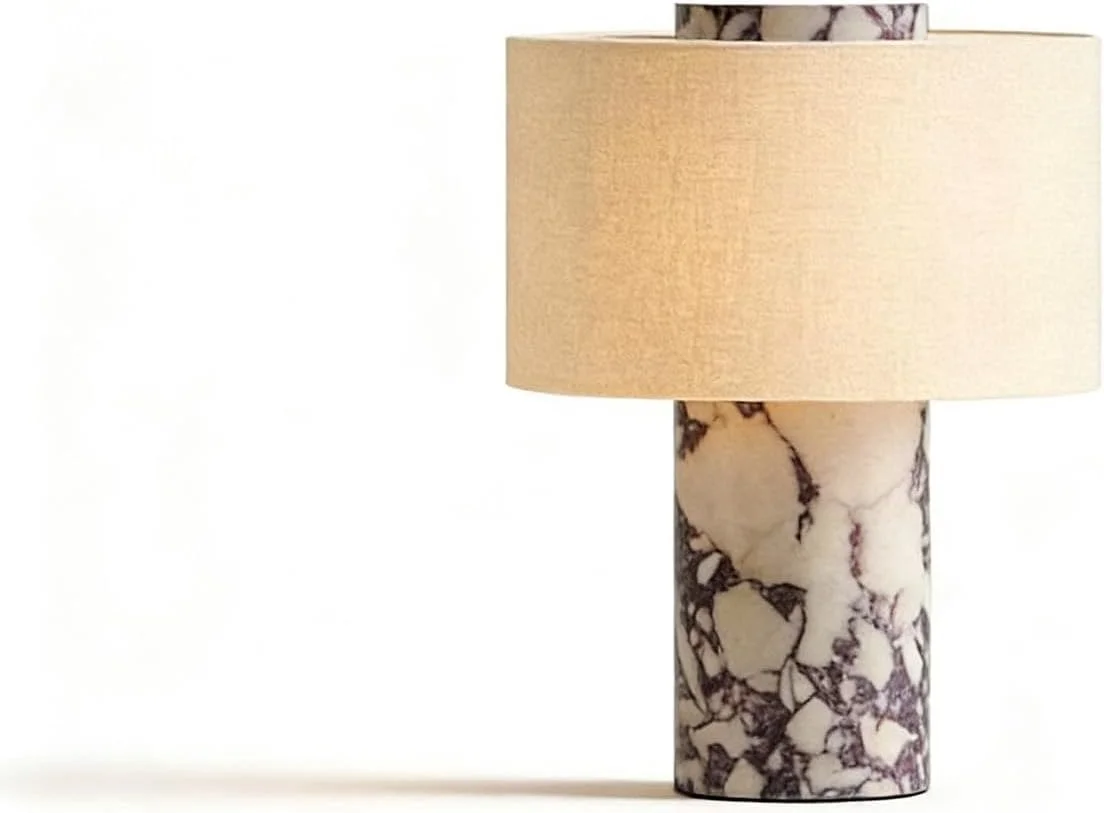
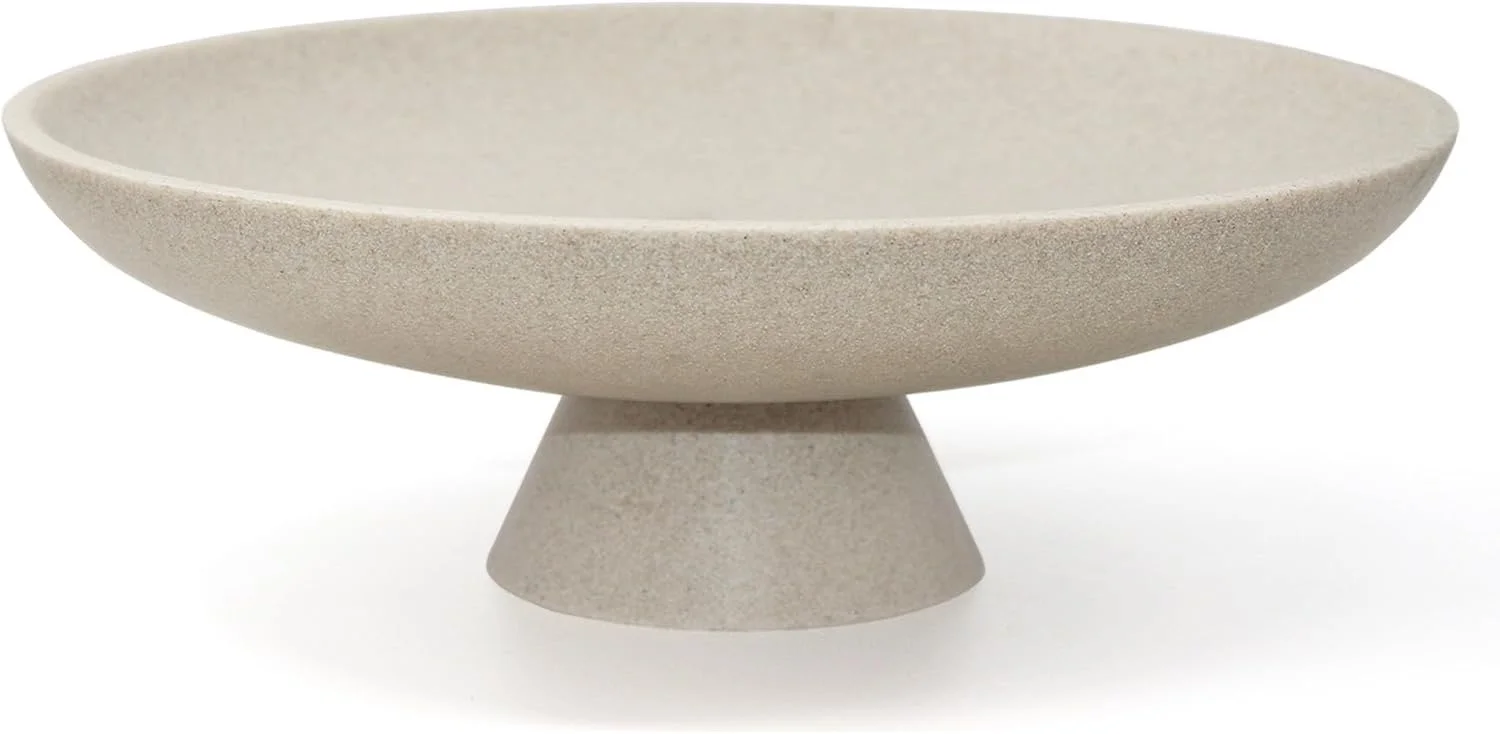
Answer: Investing in a few high-impact artistic objects — sculptural lighting, ceramic vessels, textured trays — instantly elevates a space without needing a full redesign.
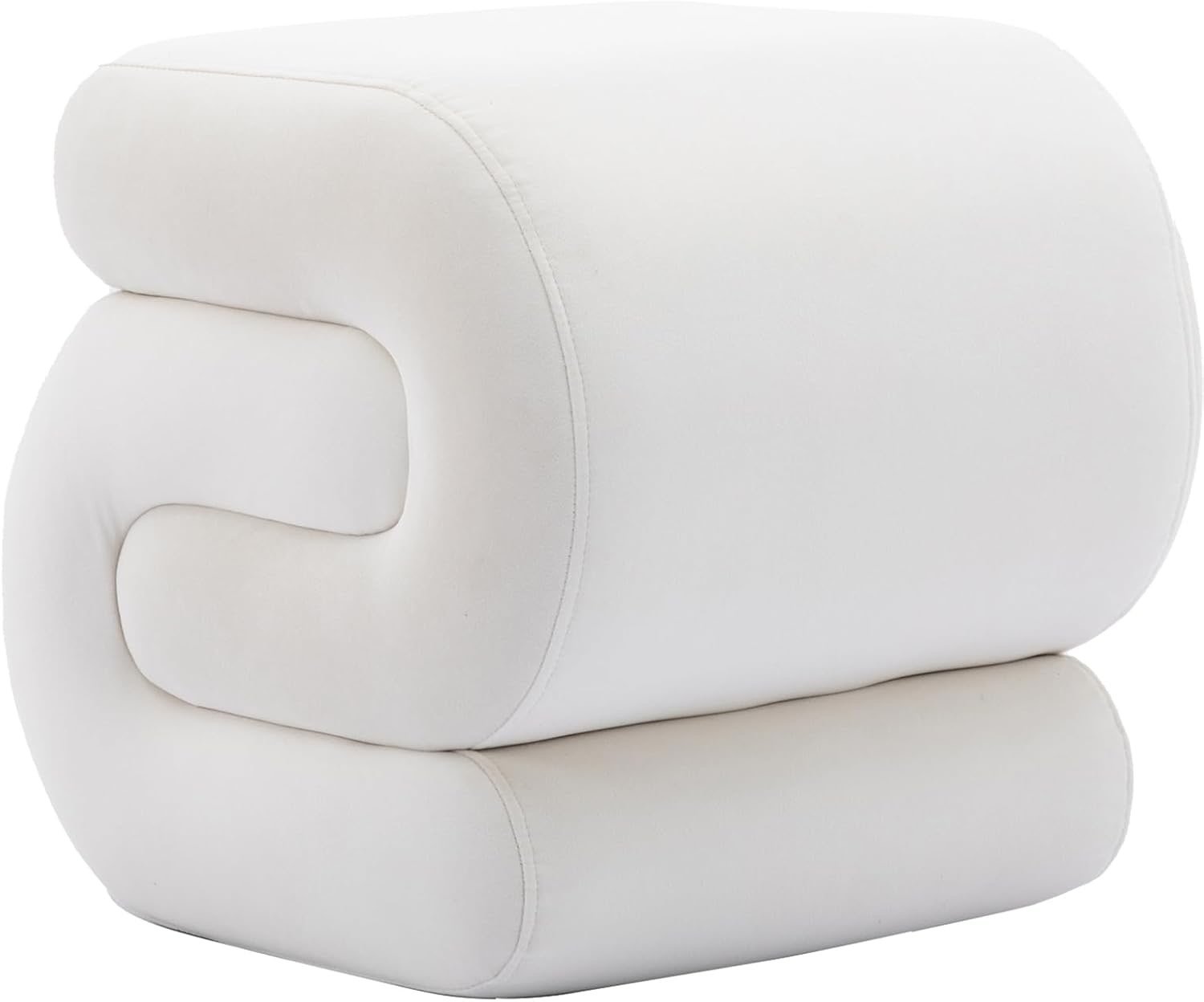
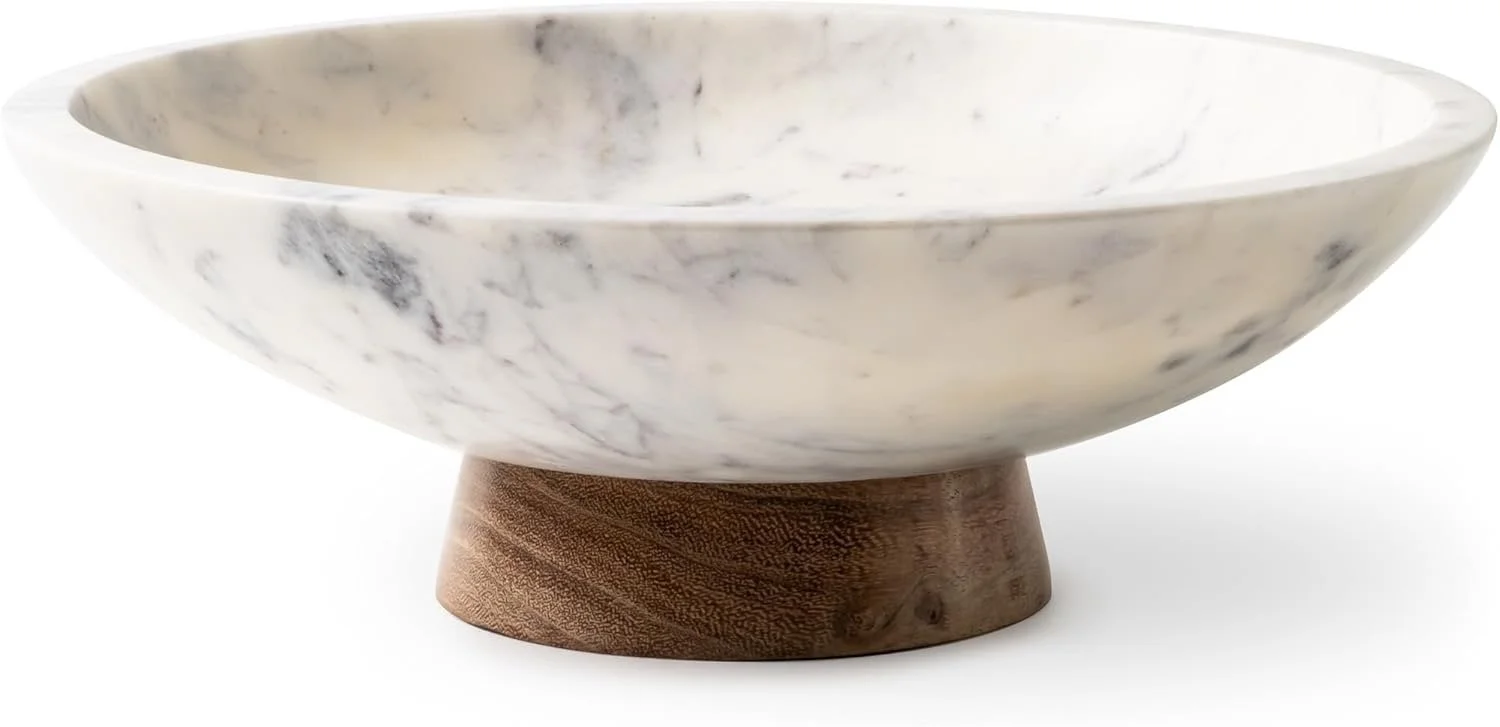
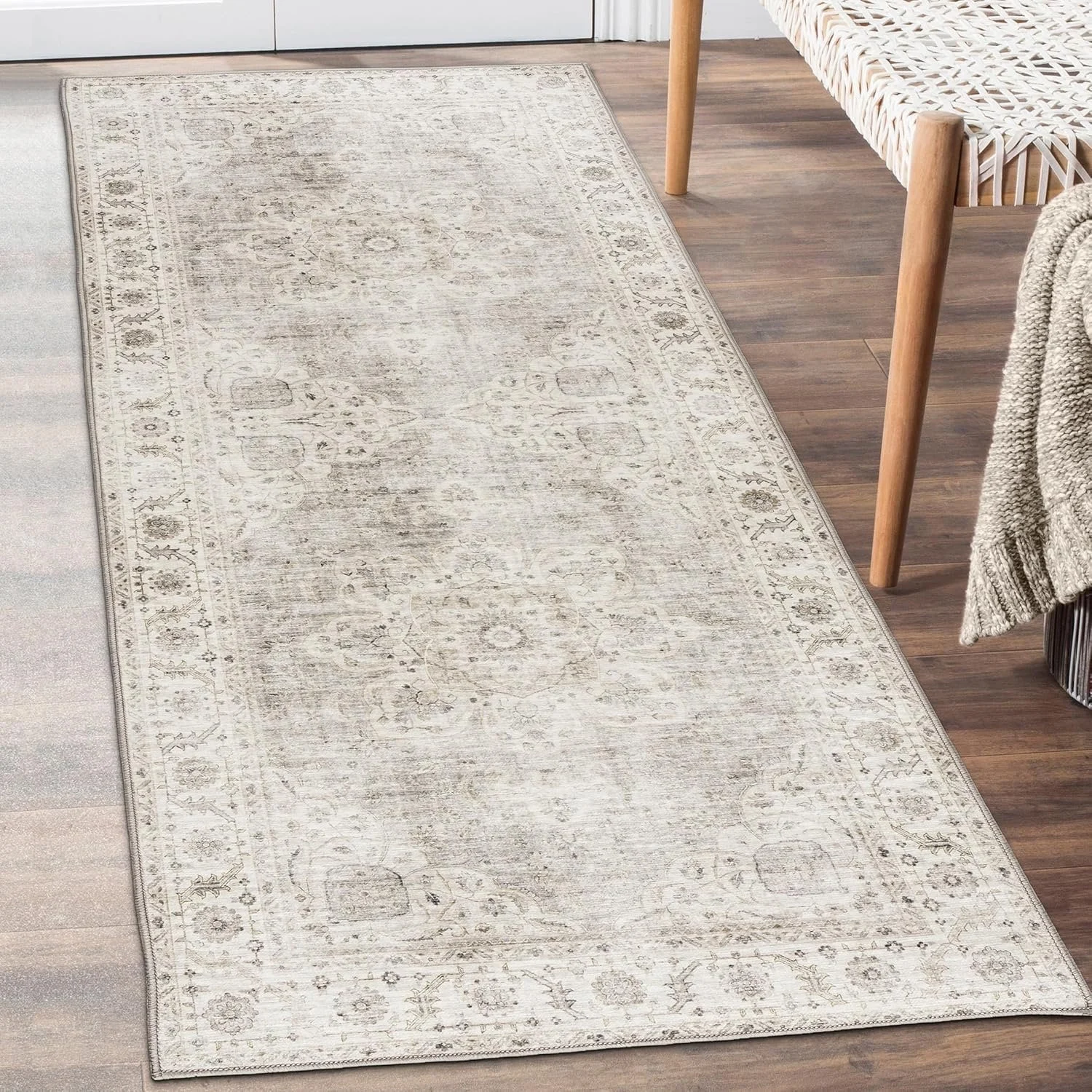
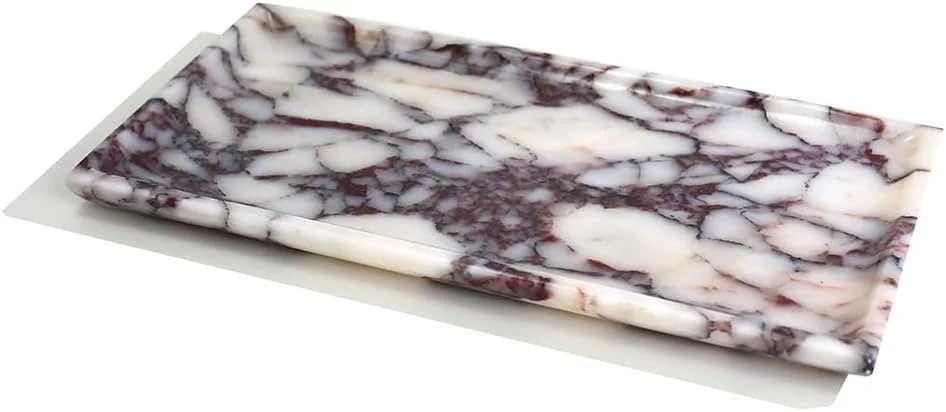
How Do You Choose Functional Objects That Look Like Art?
The key is selecting objects that blend form and function seamlessly.
Look for:
Sculptural silhouettes
Organic shapes
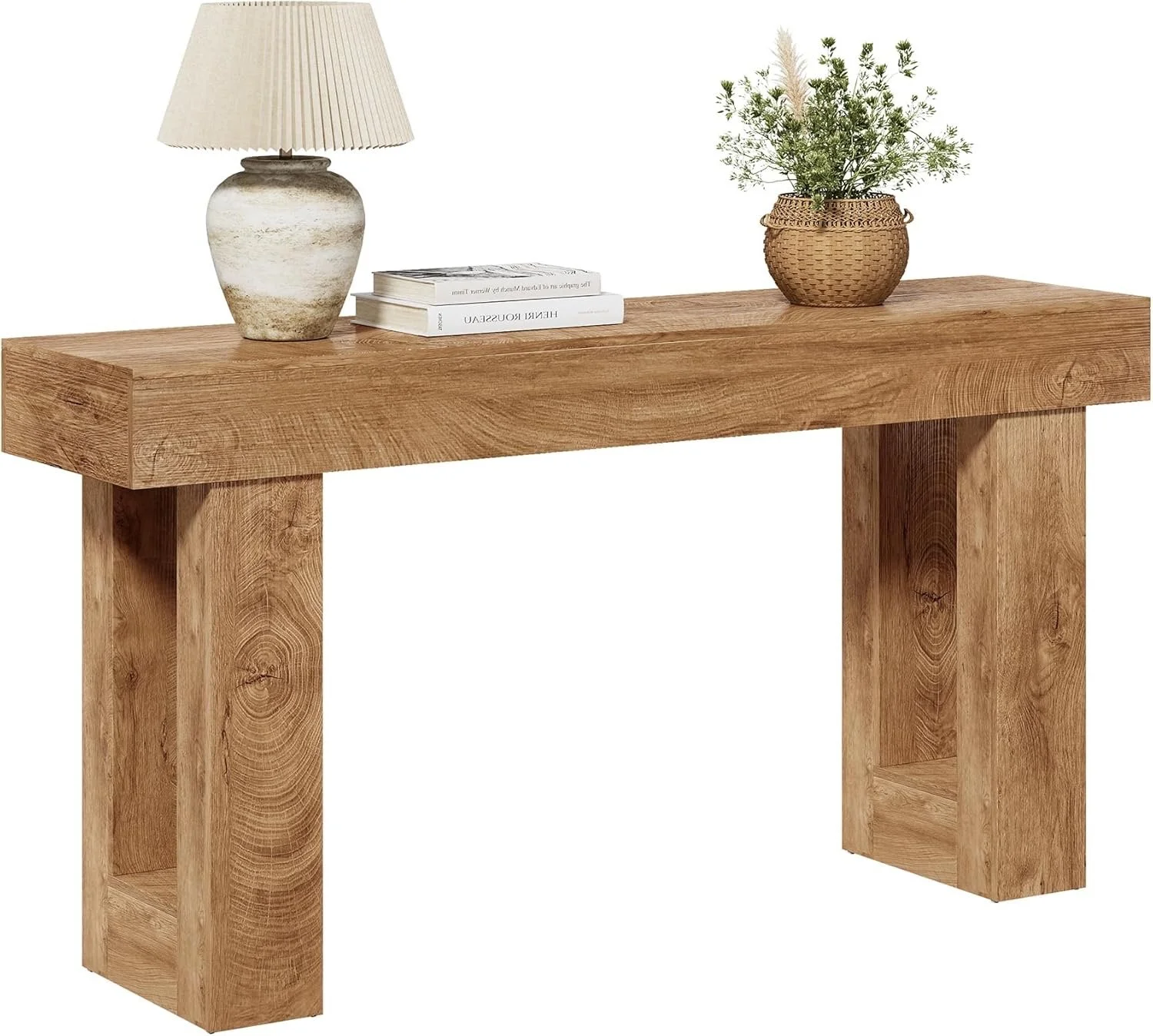
Natural materials (ceramic, marble, linen, wood, stone)
Neutral or muted color palettes
Handmade or artisanal finishes
Instead of standard kitchen canisters, choose hand-thrown pottery. Replace basic bathroom organizers with stone trays. Swap mass-produced décor for artisanal objects that carry craftsmanship.
What everyday items can double as decor?
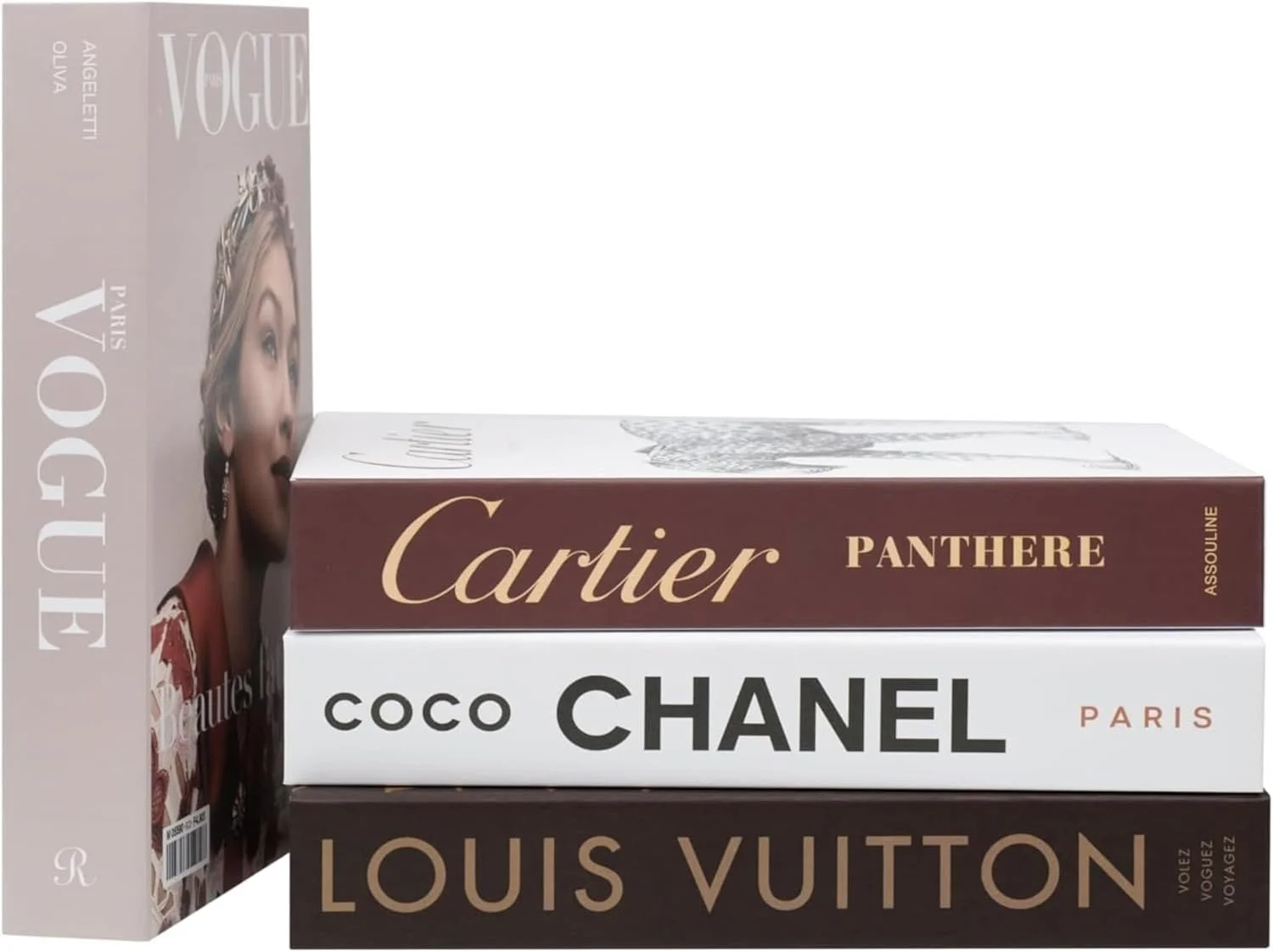
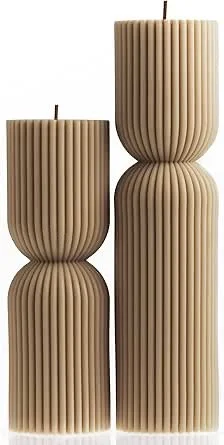
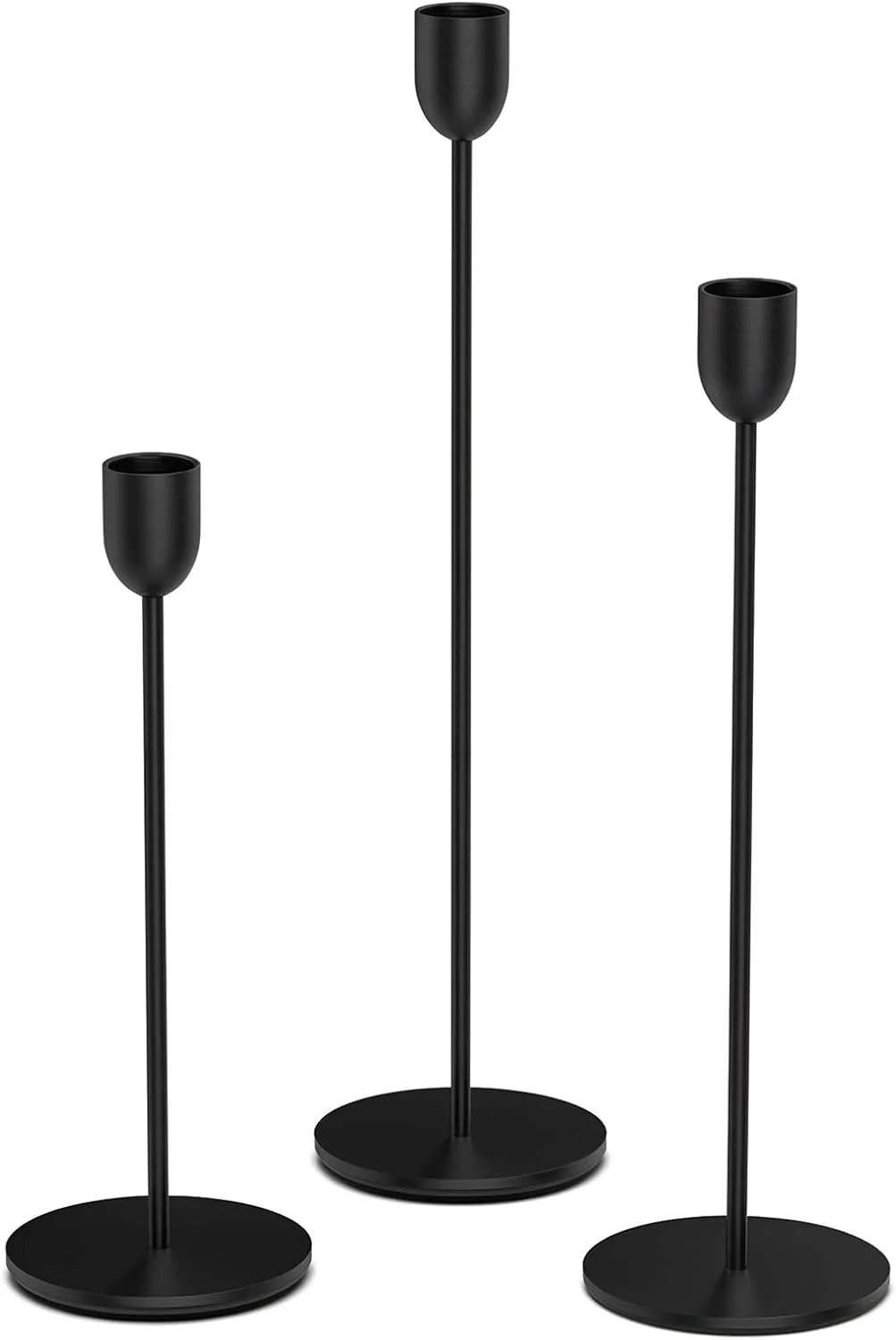
Candlesticks, trays, bowls, mirrors, stools, vases, lamps, and even soap dispensers can all function beautifully as décor when chosen thoughtfully.
How Can Everyday Objects Improve Mental Wellness?
The rise of aesthetic wellness has connected home design with emotional well-being. Surrounding yourself with beautiful objects fosters calm, presence, and intentionality.
When your daily rituals — morning coffee, skincare routines, cooking — involve beautiful tools, they become grounding moments rather than rushed tasks.
Can home design really reduce stress?
Yes. Research shows that harmonious environments reduce cortisol levels and support emotional regulation. Artistic everyday objects contribute to sensory calm, visual balance, and emotional grounding.
This is why slow living, soft minimalism, and intentional home design continue to trend across Pinterest and Instagram.
How Do You Style Everyday Objects Like a Designer?
Styling functional beauty follows the same principles as high-end interior design:
1. Use the Rule of Three
Group items in threes using varied heights and textures to create visual interest.
2. Embrace Negative Space
Allow your objects to breathe. Less clutter creates stronger impact.
3. Layer Textures
Pair ceramics with wood, marble with linen, glass with stone.
4. Focus on Statement Pieces
One sculptural object can anchor an entire room.
How do designers make spaces look curated, not cluttered?
They focus on quality over quantity, intentional spacing, and cohesive material palettes.
What Rooms Benefit Most from Functional Art?
Every space benefits, but the biggest impact comes from:
Kitchen
Ceramic bowls, marble cutting boards, sculptural fruit displays, artisan mugs.
Bathroom
Stone trays, ribbed glass containers, sculptural mirrors, linen towels.
Bedroom
Decorative trays, artful lamps, ceramic vases, minimalist stools.
Living Room
Statement lighting, sculptural decor, textured throws, handcrafted objects.
Where should I start incorporating functional decor?
Start with the room you use the most — usually the kitchen or bedroom — for immediate lifestyle impact.
How Can You Create a Luxury Feel Using Everyday Objects?
Luxury today is defined by intentional living, not excess. Functional beauty offers an accessible way to create that atmosphere.
By choosing fewer but better-designed objects, your home becomes:
Calmer
More cohesive
Emotionally nourishing
Visually elevated
This approach aligns perfectly with modern luxury trends like quiet luxury, soft minimalism, and slow design.
What is quiet luxury home design?
Quiet luxury emphasizes subtle textures, neutral palettes, artisanal materials, and understated elegance — exactly what functional art provides.
Designing a Life of Beautiful Purpose
When everyday objects become art, your home transforms into a space of intentional beauty, emotional calm, and elevated function. Each piece becomes a reflection of your values — mindfulness, simplicity, and purpose-driven living.
Functional beauty is not about perfection. It’s about curating a life where the ordinary feels extraordinary.