Soft Minimalism: How to Layer Neutrals Without Making Your Home Feel Cold
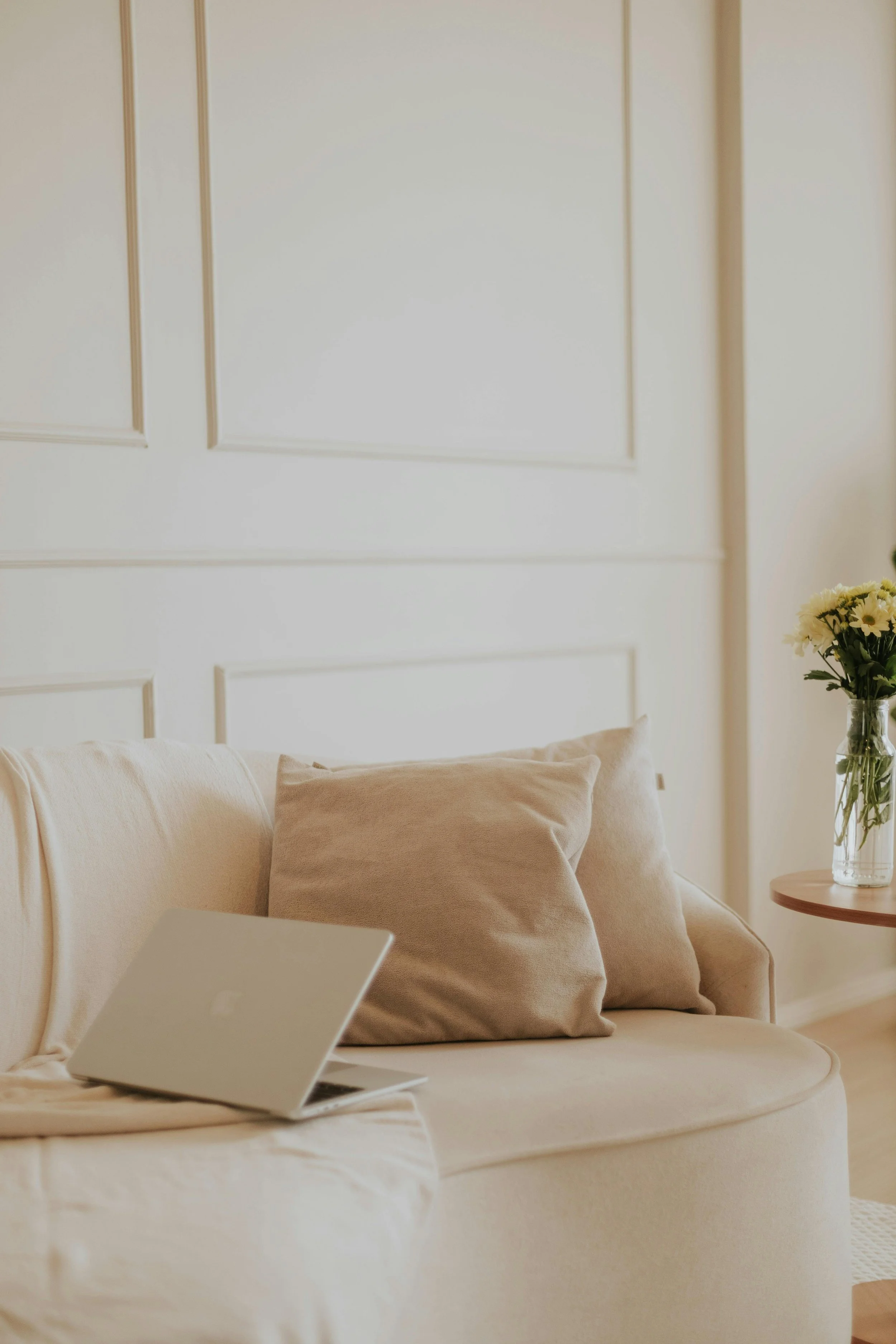
Photo By: Letícia Alvares
Soft minimalism is quietly becoming one of the most searched interior design styles of 2026 — and for good reason. With trending searches like “warm minimalist decor,” “how to decorate with neutrals,” and “cozy minimalism home ideas,”homeowners are craving spaces that feel calm, intentional, and elevated without feeling sterile or boring.
If you love the simplicity of neutral home design but worry your space might feel flat, cold, or unfinished, soft minimalism offers the perfect solution. By layering textures, tones, and thoughtful details, you can create a minimalist home that still feels warm, inviting, and luxurious.
Below, we break down the most trending questions about soft minimalist design and show you exactly how to master this timeless aesthetic.
What Is Soft Minimalism in Interior Design?
Soft minimalism is a warmer, more livable evolution of traditional minimalism. While classic minimalist decor often leans stark and ultra-sleek, soft minimalism blends neutral color palettes, organic textures, cozy layers, and intentional styling to create spaces that feel both peaceful and welcoming.
Think: creamy whites, warm beiges, soft taupes, natural wood tones, linen fabrics, and subtle curves. The goal is to reduce visual clutter while amplifying comfort and warmth.
Soft minimalism works beautifully in modern homes, apartments, condos, and even traditional spaces because it prioritizes balance — not perfection.
How Do You Layer Neutrals Without Making a Room Look Flat?
One of the biggest challenges in neutral interior design is preventing your space from looking one-dimensional. The secret lies in layering multiple shades, textures, and finishes within the same color family.
Instead of using just one neutral, blend warm whites, creams, soft tans, muted grays, and earthy browns. This subtle contrast creates depth while maintaining harmony.
Texture is equally important. Mix materials like:
Linen curtains
Bouclé accent chairs
Wool area rugs
Natural wood furniture
Ceramic vases
Stone or marble surfaces
This layered approach keeps your home visually rich without overwhelming the minimalist aesthetic.
What Colors Make a Minimalist Home Feel Warmer?
Trending searches show a growing interest in warm neutral color palettes that soften minimalist spaces. Instead of crisp whites and cool grays, opt for tones that have warmth built in.
Popular warm minimalist colors include:
Cream
Ivory
Sand
Camel
Mushroom
Warm taupe
Soft greige
These hues reflect light beautifully and create a sense of calm without feeling sterile. Pairing them with warm wood finishes — such as oak, walnut, or ash — instantly makes a space feel more grounded and cozy.
How Can You Make Minimalist Decor Feel Cozy?
The rise of “cozy minimalism” proves that comfort is just as important as aesthetics. To achieve this balance, focus on soft textures, layered lighting, and tactile accents.
Add warmth through:
Plush throw blankets
Oversized floor cushions
Layered bedding
Woven baskets
Soft area rugs
Lighting also plays a huge role. Swap harsh overhead lights for table lamps, floor lamps, wall sconces, and warm LED bulbs. Soft ambient lighting instantly transforms a space from cold to cozy.
How Many Textures Should You Use in a Neutral Room?
A trending design rule among interior stylists is the “Rule of Five Textures.” For every room, aim to include at least five different textures to keep the space visually interesting.
For example:
Linen sofa
Wool rug
Wooden coffee table
Ceramic decor
Metal accent tray
This variety adds depth and richness, preventing your neutral room from feeling flat while staying true to minimalist principles.
What Furniture Shapes Work Best for Soft Minimalism?
Trending minimalist interiors are shifting away from harsh lines and toward soft curves and organic silhouettes.
Look for:
Rounded sofas
Curved armchairs
Oval dining tables
Arched mirrors
Sculptural accent stools
These shapes introduce movement and softness, balancing out the clean lines of minimalist design. Organic forms help your space feel more relaxed, modern, and inviting.
How Do You Style Decor Without Creating Clutter?
Soft minimalism is all about intentional styling. Instead of filling shelves and surfaces, focus on curated moments that feel purposeful.
Use:
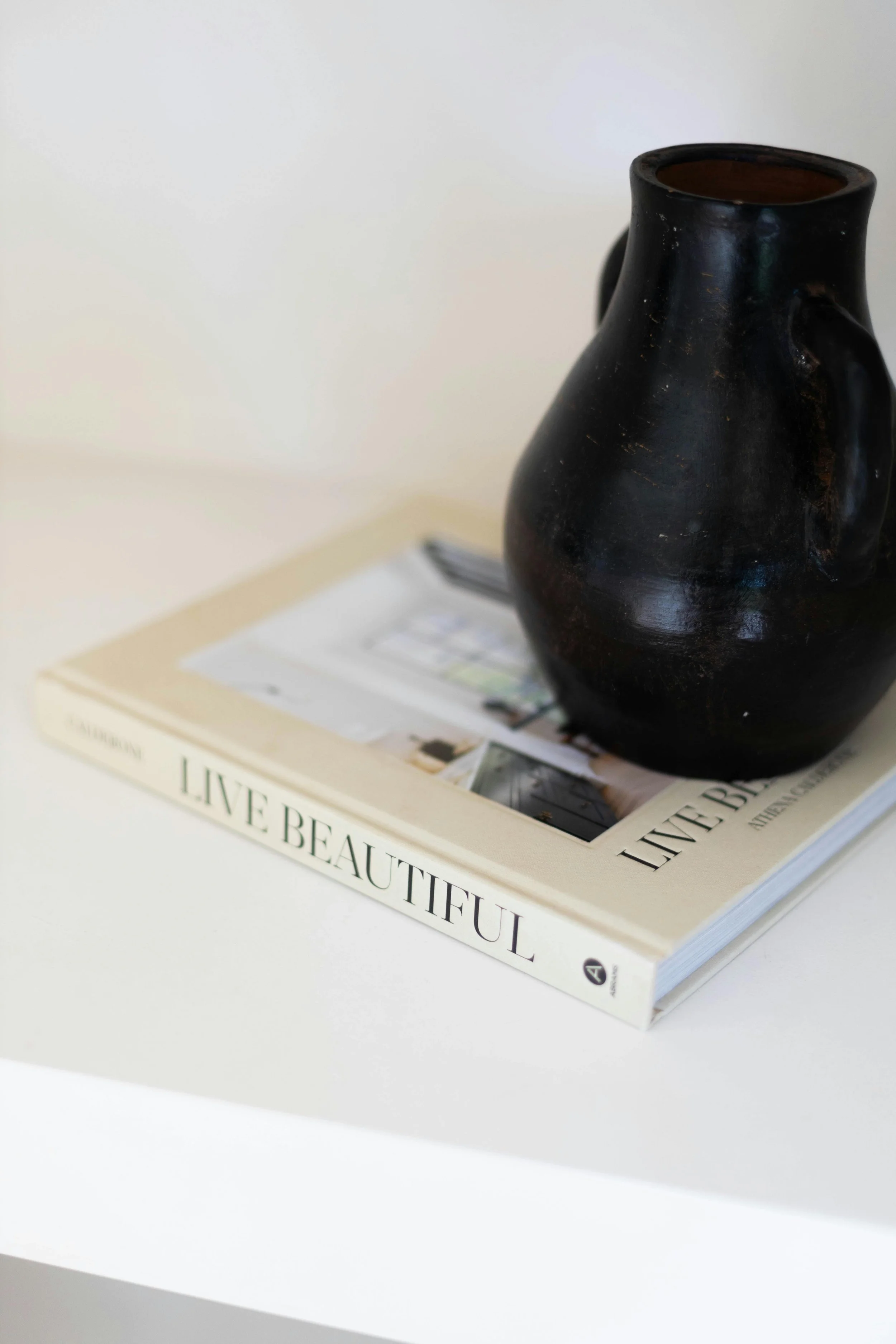
One statement vase
A small stack of curated coffee table books
A single sculptural object
One art piece per wall section
This approach keeps your home visually calm while still allowing your personality to shine through. Remember: empty space is part of the design.
Can Soft Minimalism Work in Small Spaces?
Absolutely — and it’s one of the best styles for small homes and apartments. Neutral palettes reflect light, making rooms feel larger, while minimal styling reduces visual clutter.
Use multifunctional furniture, concealed storage, and layered lighting to enhance both form and function. The result is a serene, open-feeling space that feels far larger than it actually is.
Why Soft Minimalism Is the Future of Home Design
Soft minimalism represents a shift toward intentional living, calm environments, and effortless elegance. It proves that neutral homes don’t have to feel boring, cold, or unfinished.
By layering warm tones, cozy textures, soft lighting, and curated decor, you create a space that supports peace, comfort, and daily inspiration — all while maintaining a polished, modern aesthetic.
If your goal is a home that feels elevated yet livable, soft minimalism may be the design philosophy your space has been waiting for.