The Best Fitness Tech for Women Who Value Data, Not Obsession
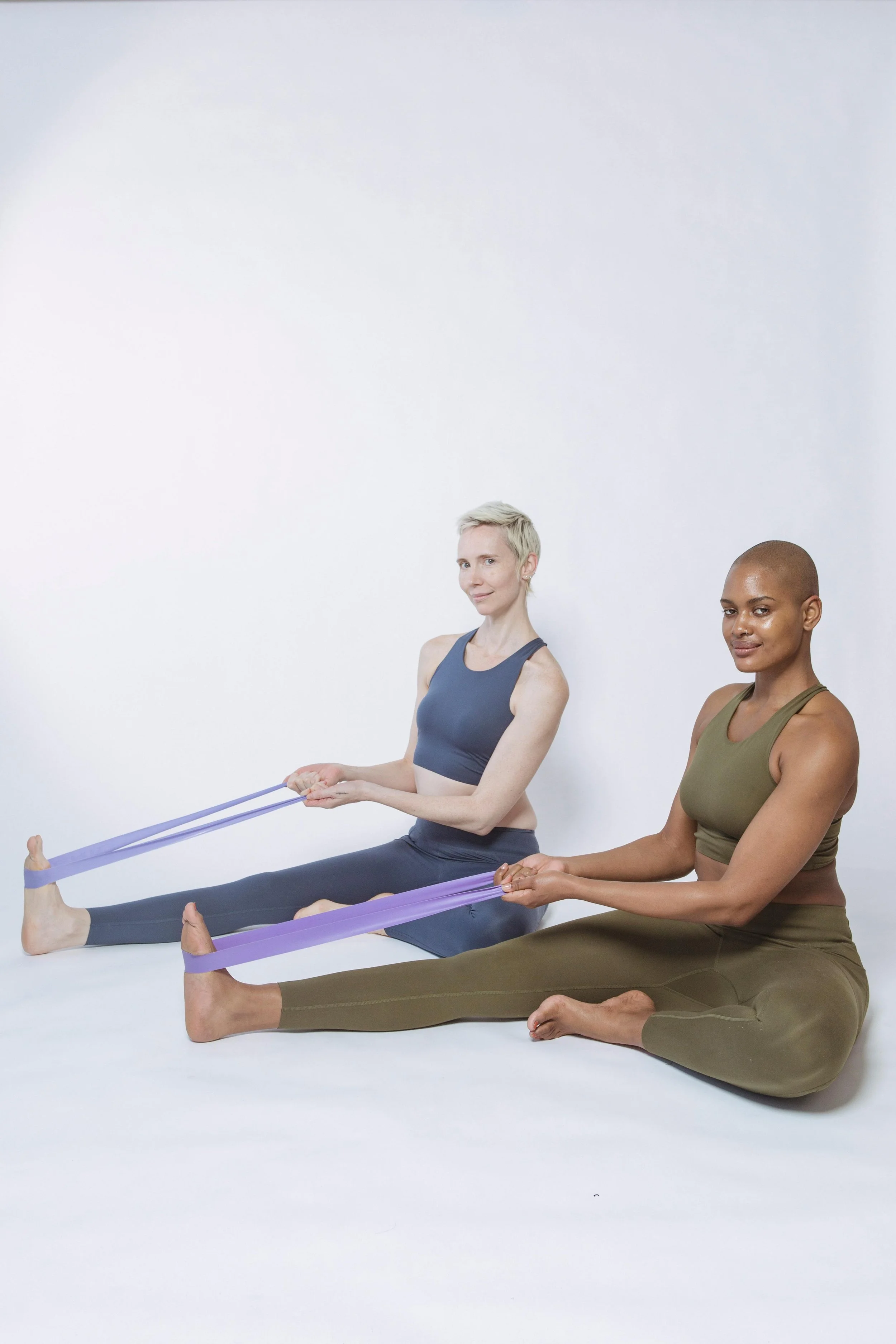
Photo by Angela Roma
Fitness technology has evolved far beyond step counters and calorie trackers. Today’s best fitness tech empowers women to understand their bodies, optimize wellness, and build sustainable habits — without becoming consumed by numbers. As wellness culture shifts toward balance, recovery, and mindful movement, more women are asking: How can I use fitness data to feel better, not pressured?
This guide explores the best fitness tech for women who value insight over intensity, progress over perfection, and health over hustle. Each section answers a trending question women are searching right now — with solutions rooted in empowerment, not obsession.
1. What Is the Healthiest Way to Track Fitness Without Becoming Obsessed?
Search trends show a growing concern around fitness tracking burnout, overtracking anxiety, and data fatigue. The healthiest approach to fitness tracking centers on awareness, not control.
Modern fitness tech now prioritizes trends over daily metrics, long-term progress over short-term goals, and holistic wellness over calorie burning. Instead of hyper-fixating on numbers, the best devices provide gentle guidance — highlighting recovery, readiness, and overall well-being.
Look for platforms that emphasize:
Weekly and monthly health trends
Stress management insights
Sleep quality optimization
Recovery-based recommendations
This approach helps women use data as a tool for self-care, not self-judgment.
Trending keywords: mindful fitness tracking, fitness data without obsession, healthy fitness mindset, balanced wellness tracking
2. Which Fitness Tracker Is Best for Women Focused on Wellness and Recovery?
One of the most searched fitness questions today is: Which fitness tracker is best for women?
The answer depends on lifestyle, but wellness-driven women benefit most from trackers that prioritize sleep, recovery, hormone rhythms, and stress levels.
Top features to look for:
Heart Rate Variability (HRV) tracking
Cycle syncing for hormone awareness
Sleep stages and recovery scoring
Stress and readiness insights
Popular options include Oura Ring, WHOOP, Apple Watch Series, Fitbit Sense, and Garmin Lily — all offering advanced biometric data designed to support whole-body health.
The goal is not constant monitoring, but pattern recognition. These devices help women tune into their natural rhythms, adjust workouts, and prevent burnout.
Fitness trackers to check out:
SuperHuman
Oura Ring
3. Can Fitness Tech Improve Mental Health and Stress Levels?
Mental wellness has become a core focus in fitness technology. Many women now search for: Can fitness trackers help reduce stress and anxiety?
The answer is yes — when used mindfully.
Modern wearables track:
Resting heart rate
HRV
Breathing patterns
Sleep cycles
This data can identify stress patterns, burnout risk, and emotional overload. Many devices now offer guided breathing exercises, meditation reminders, and nervous system regulation tools — transforming tech into a daily wellness companion.
By spotting early stress signals, women can adjust routines, prioritize rest, and create healthier work-life balance.
4. How Do Smart Scales Help Without Triggering Scale Anxiety?
The phrase smart scale anxiety has surged in searches, as women seek ways to track body composition without emotional distress.
Today’s best smart scales go beyond weight. They measure:
Muscle mass
Body fat percentage
Water retention
Bone density
Metabolic age
Instead of focusing on daily fluctuations, smart scales emphasize long-term trends, helping women track strength gains, metabolic health, and wellness progress.
Used correctly, these devices shift focus from appearance to function, supporting a healthier body image.
5. What Fitness Tech Is Best for Busy Women With Limited Time?
Searches for efficient workouts and time-saving fitness solutions continue to rise — especially among professional women and entrepreneurs.
AI-powered fitness platforms, connected mirrors, and smart strength equipment now offer:
20–30 minute intelligent workouts
Personalized training plans
Real-time coaching
Form correction feedback
These tools eliminate guesswork, maximize efficiency, and help women stay consistent — without spending hours at the gym.
For women balancing careers, families, and wellness, smart fitness tech provides high-impact results in minimal time.
6. How Can You Build a Healthy Relationship With Fitness Data?
The most important question women are asking today: How do I use fitness data without letting it control me?
Healthy data use comes down to:
Checking trends, not daily stats
Prioritizing recovery days
Using insights as guidance, not rules
Listening to your body first
Fitness tech should enhance intuition — not replace it. When used with intention, data becomes empowering, helping women feel more connected, aware, and aligned with their health.
The Future of Fitness Is Balanced, Not Extreme
The best fitness tech for women is no longer about pushing harder — it’s about understanding deeper. From recovery tracking to stress management and hormone awareness, modern devices empower women to build sustainable health routines that last.
In a culture shifting toward longevity, mental wellness, and holistic health, fitness tech becomes a support system, not a scoreboard.
When data works with you — not against you — wellness becomes effortless, intentional, and deeply personal.