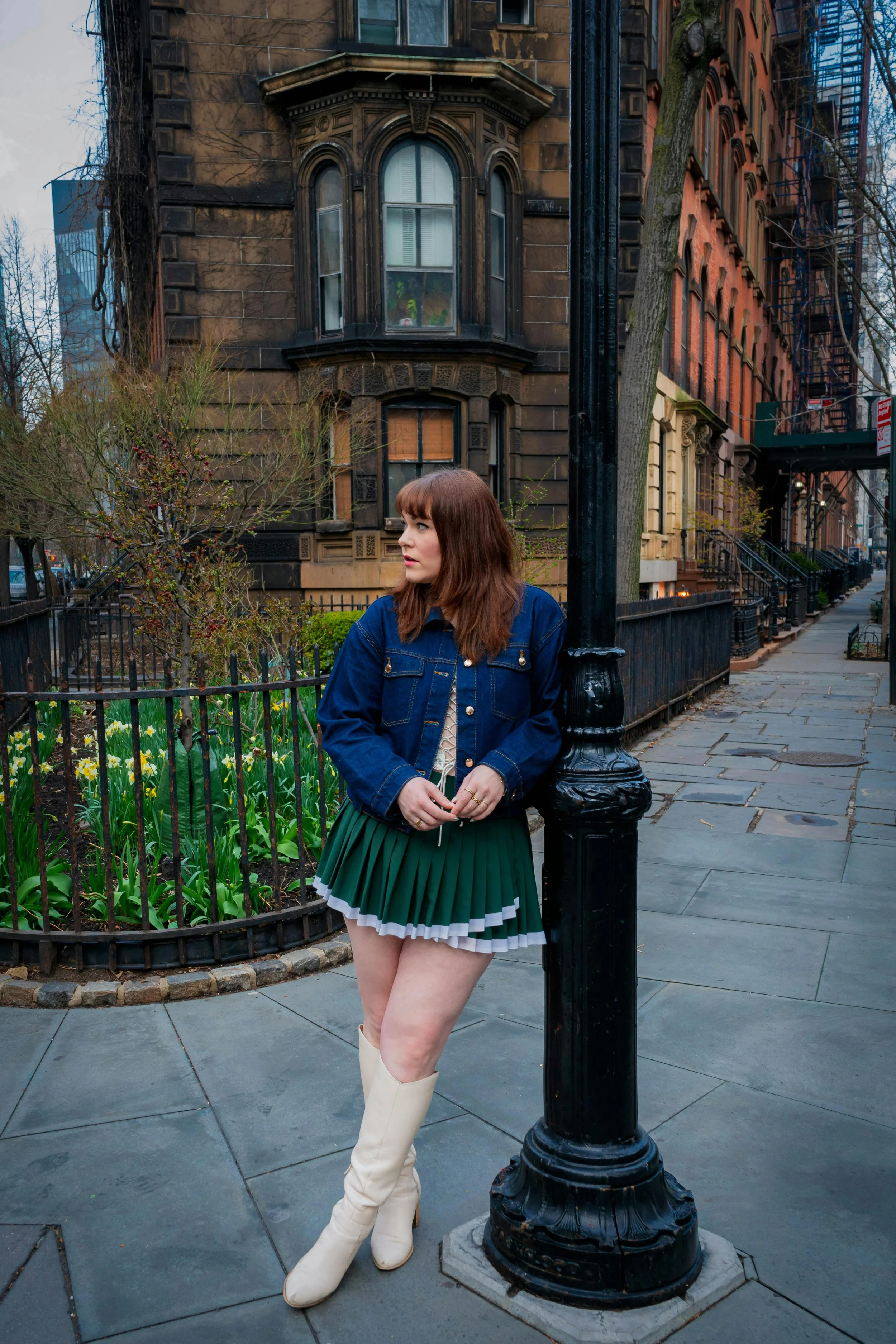
Light Layers, Done Right: Transitional Outfits That Feel Intentional
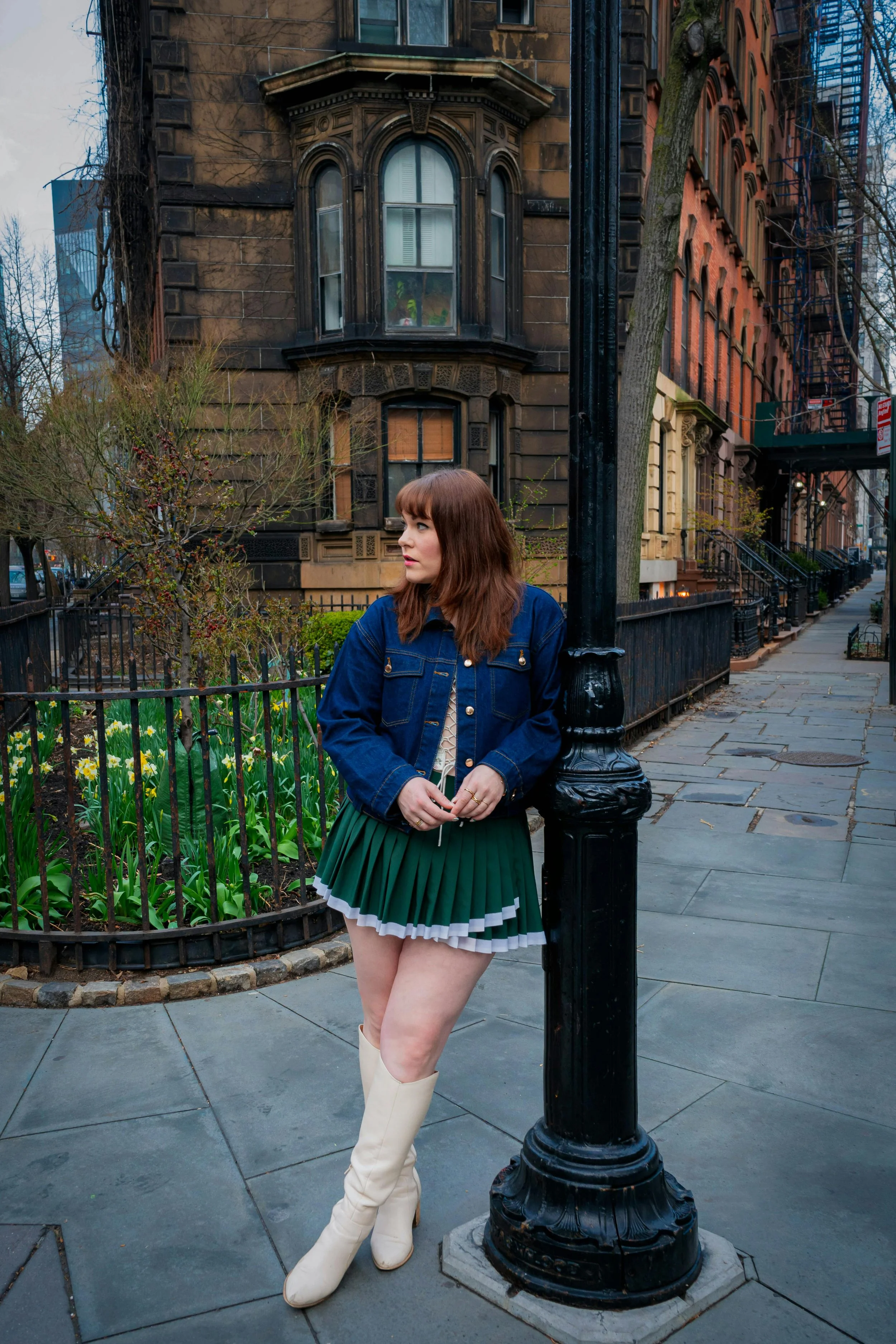
Dressing between seasons can feel surprisingly complicated. One minute it’s cool and breezy, the next it feels like summer—and suddenly your outfit no longer makes sense.
If you’ve searched “how to dress for spring weather,” “transitional outfit ideas,” or “how to layer clothes without looking bulky,” this guide is your edit.
What is transitional dressing?
Transitional dressing is the art of creating outfits that adapt to changing temperatures without sacrificing style.
The goal is flexibility:
Pieces that can be added or removed easily
Lightweight fabrics
Intentional layering
It’s less about having more clothes—and more about styling smarter.
Why are lightweight layers trending right now?
Pinterest and fashion searches are heavily favoring:
Effortless outfits
Quiet luxury fashion
Elevated basics
People want clothing that feels:
Comfortable
Versatile
Polished
Light layering supports all three.
What are the best layering pieces for spring?
The most versatile spring layers include:
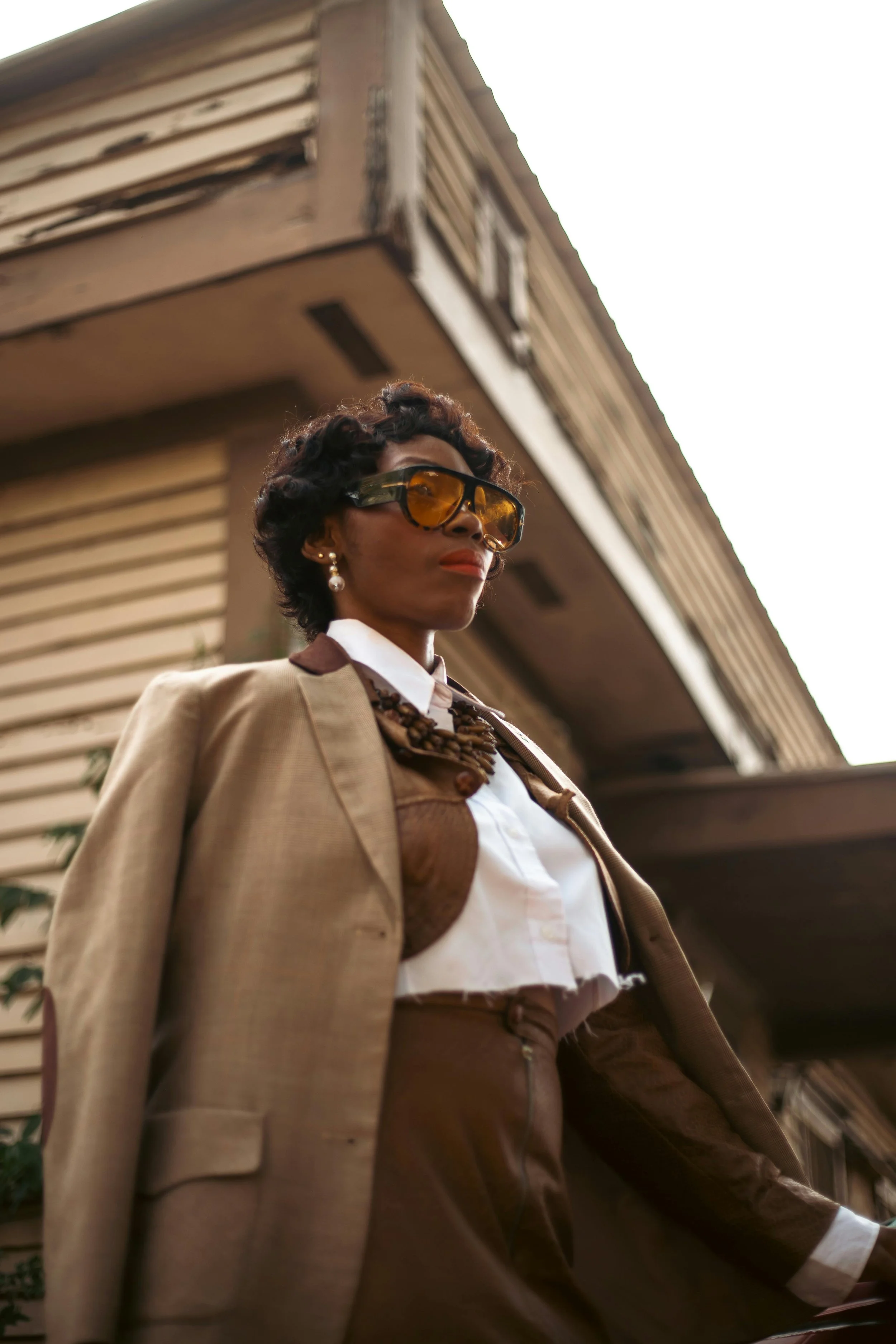
Relaxed blazers
Lightweight trench coats
Cotton button-downs
Fine knit sweaters
Structured cardigans
These pieces work across temperatures while keeping outfits refined.
How do you layer without looking bulky?
The key is balancing proportions.
Try:
Thin layers underneath structured pieces
One oversized item per outfit
Lightweight fabrics with movement
Avoid stacking multiple heavy textures together.
What fabrics work best for transitional weather?
Breathability matters.
Look for:
Cotton
Linen blends
Lightweight wool
Tencel
These fabrics regulate temperature better and feel effortless throughout the day.
How do you make layered outfits look elevated?
Intentional styling is everything.
Focus on:
Cohesive color palettes
Neutral layering
Minimal accessories
Tailored silhouettes
Even simple outfits feel expensive when the proportions are balanced.
Can transitional outfits work for warm climates?
Absolutely.
For warmer climates:
Use lighter outer layers
Focus on breathable fabrics
Layer through texture instead of thickness
A linen button-down over a tank can create dimension without heat.
Layering is a styling skill
The best transitional outfits feel effortless because they’re thoughtfully built.
When your wardrobe is designed around versatility, dressing between seasons becomes less frustrating—and far more refined.