Barrier Before Beauty: How to Repair Your Skin Barrier After Winter Damage

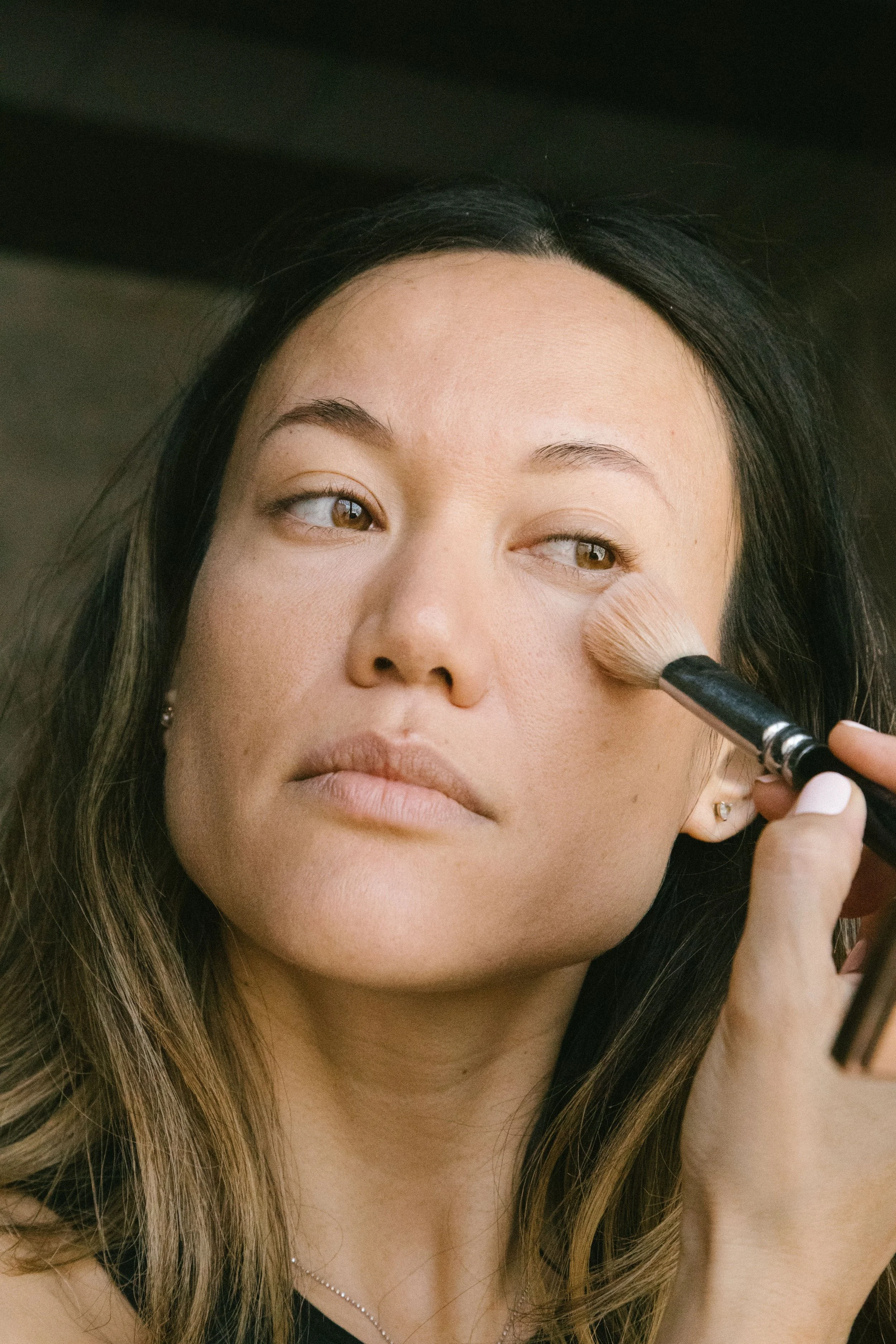
Photo By: cottonbro studio
Winter has a way of leaving its mark—on our mood, our routines, and most noticeably, our skin. If your complexion feels tight, dull, reactive, or suddenly prone to breakouts, chances are your skin barrier is compromised. And before you reach for another exfoliant or “miracle” serum, let’s make one thing clear: barrier before beauty.
At The Posh Edit, we believe radiant skin isn’t created through excess—it’s curated through care. Repairing your skin barrier after winter damage is not about doing more; it’s about doing better. Thoughtfully. Intentionally. And with ingredients that restore, not disrupt.
What Is the Skin Barrier—and Why Winter Wrecks It
Your skin barrier, also known as the stratum corneum, is the outermost layer of your skin. Think of it as a tailored cashmere coat—its job is to lock in moisture while shielding against irritants, bacteria, and environmental stressors.
Winter challenges this barrier relentlessly. Cold air, low humidity, indoor heating, hot showers, and over-cleansing all strip the skin of its natural lipids. The result? Increased transepidermal water loss (TEWL), inflammation, sensitivity, and that unmistakable “my skincare stopped working” feeling.
Common Signs of a Damaged Skin Barrier
Persistent dryness or flaking
Redness and irritation
Stinging when applying products
Sudden acne or texture
Makeup sitting poorly on the skin
If this sounds familiar, your skin isn’t misbehaving—it’s asking for repair.
Step One: Simplify Your Skincare Routine
When repairing your skin barrier, restraint is elegance.
Pause actives like retinoids, AHAs, BHAs, and vitamin C—even if they’re usually staples in your routine. Over-exfoliation is one of the most common causes of barrier damage, especially during winter months.
Instead, focus on a minimal, barrier-repair skincare routine:
Gentle, non-foaming cleanser
Hydrating serum
Barrier-repair moisturizer
Broad-spectrum SPF (yes, even in winter)
This edit allows your skin to recalibrate and heal without constant interruption.
Step Two: Look for Barrier-Repair Ingredients That Matter
Not all hydration is created equal. To truly repair your skin barrier after winter damage, prioritize ingredients that mimic the skin’s natural structure.
Key Skin Barrier Repair Ingredients to Search For:
Ceramides – replenish lost lipids and strengthen the barrier
Cholesterol & Fatty Acids – restore balance and resilience
Niacinamide – reduces inflammation and improves barrier function
Panthenol (Vitamin B5) – soothes and accelerates repair
Glycerin & Hyaluronic Acid – attract and retain moisture
Products formulated with these ingredients work with your skin—not against it.
Step Three: Moisturize Strategically, Not Aggressively
A common winter skincare mistake is relying on thick creams alone. While occlusives are important, they work best when layered over hydration, not used as a replacement for it.
Apply hydrating serums to damp skin, then seal everything in with a ceramide-rich moisturizer. At night, consider a light occlusive layer to prevent moisture loss while you sleep—this is where barrier repair truly happens.
Step Four: Rethink Cleansing and Water Temperature
Hot showers may feel luxurious, but they are ruthless on a damaged skin barrier. Switch to lukewarm water and cleanse once daily if possible—preferably at night.
In the morning, a gentle rinse or hydrating mist is often enough. Your skin barrier thrives when it’s not constantly being stripped and reset.
Step Five: Protect the Barrier You’re Rebuilding
Repair without protection is a losing strategy.
Daily broad-spectrum sunscreen is non-negotiable—even on cloudy days. UV exposure weakens the skin barrier and prolongs inflammation, undoing the progress you’re working so intentionally to achieve.
Additionally, environmental stressors like wind and pollution can aggravate compromised skin, making barrier protection a year-round ritual—not a seasonal one.
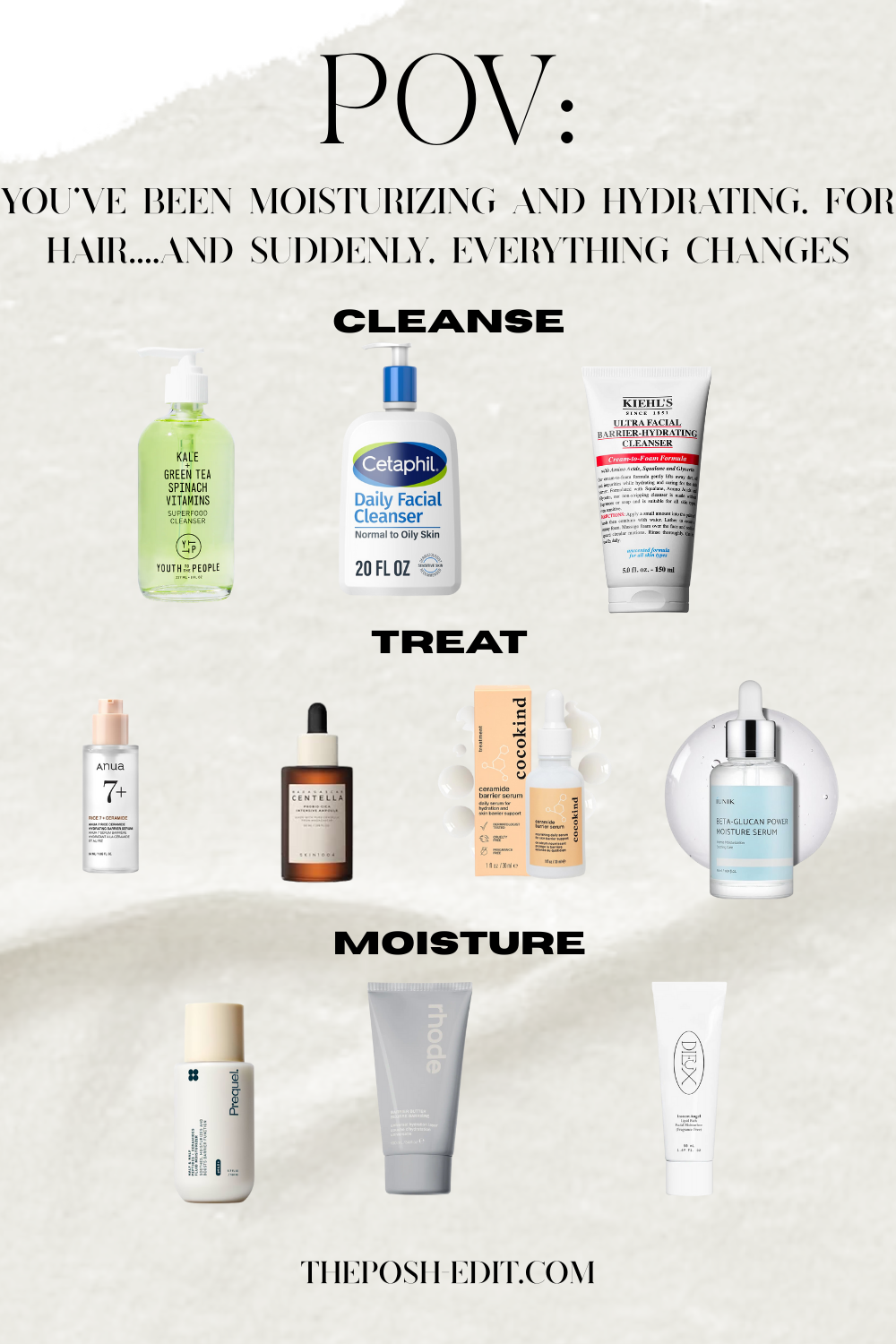
Click here for tried and true products that are sure to support a healthy skin barrier!
How Long Does Skin Barrier Repair Take?
With consistency, most skin barriers begin to recover within 2–4 weeks. The key is patience. Resist the urge to reintroduce actives too quickly. When you do, add them back one at a time and observe how your skin responds.
Radiant skin isn’t rushed—it’s refined.
The Posh Takeaway
Winter damage doesn’t require aggressive correction—it requires restoration. By prioritizing skin barrier repair, you create the foundation for every glow-enhancing step that follows.
Because beauty, in its most elevated form, begins with balance.
And at The Posh Edit, we always choose intention over impulse—starting with our skin.